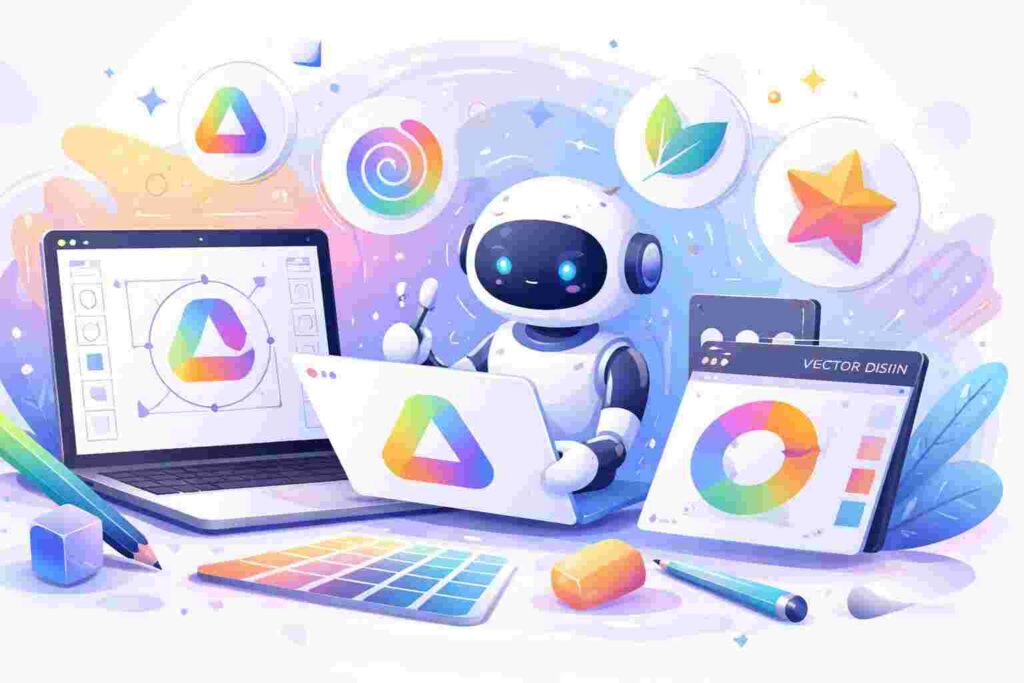
In the digital age, the creative realm has witnessed remarkable changes. One of the most impacting transformations has been the introduction of AI tools in logo design. This innovative shift not only assists designers but also democratizes the art of branding for businesses of all sizes. As we delve deeper into this fascinating topic, we’ll explore the evolution, capabilities, and implications of AI in logo creation.
The Evolution of Logo Design with AI
As we look back at the journey of logo design, it’s evident that its evolution has paralleled technological advancements.
Historical overview of logo design
The concept of logos dates back to ancient civilizations where symbols represented not just deities but also brands of goods. Over centuries, logos became simpler and more recognizable as businesses sought to establish their identities in competitive markets. By the late 20th century, marketing strategies hinged significantly on visual identity, making logos pivotal for brand recognition.
Emergence of AI in creative fields
Fast forward to the 21st century, the rise of artificial intelligence has reshaped various industries, including graphic design. AI’s ability to analyze vast datasets and produce designs based on algorithms means that it can now assist in creating logos that resonate with target audiences, essentially bridging the gap between human creativity and machine efficiency.
Comparison of traditional vs AI-driven design
- Traditional methods rely heavily on human intuition and experience.
- AI-driven design utilizes algorithms to generate multiple concepts quickly.
- Human designers spend hours crafting, while AI can offer solutions in minutes.
- AI can analyze trends and audience preferences in real-time, unlike traditional methods.
How AI Tools Generate Stunning Logos
Understanding the mechanics behind AI tools used for logo design helps demystify their capabilities and potential.
Machine learning algorithms in design
At the core of AI logo design tools are sophisticated machine learning algorithms. These algorithms analyze thousands of existing designs to identify patterns, elements, and styles that resonate with users. By learning from past data, AI can propose designs that not only fit within user-defined parameters but also leverage industry best practices.
User input and customization features
One of the standout features of these tools is their ability to customize based on user input. Simple interfaces allow users to specify preferences regarding colors, styles, themes, and symbols. This interaction ensures that while the design process is expedited, it still feels personalized and meaningful to the brand. The feedback loop between users and AI is crucial for refining the final product according to specific needs.
Case studies of popular AI design tools
Several platforms have made headlines for their innovative use of AI in logo design. Tools like Looka, Wix Logo Maker, and Canva have embraced AI’s potential to offer users a unique blend of quick service and personalization.
- Looka: Integrates user preferences with AI algorithms to generate thousands of logo options.
- Wix Logo Maker: Guides users through a series of questions to customize their design experience.
- Canva: Leverages AI for layout suggestions and design consistency.
The Impact of AI on Different Industries
The ripple effects of AI tools in logo design are felt across various sectors, influencing branding strategies and market dynamics.
Tech startups and branding
In the highly competitive tech landscape, startups often need to carve out a niche quickly. AI logo design tools enable them to establish a unique identity without the need for a full-scale design team. Collaborative tools can produce customizable and appealing logos that fit specific branding strategies, enhancing their chances for recognition.
E-commerce logo needs
The e-commerce industry thrives on brand visibility. AI-generated logos can help in creating strong visual identities that attract consumers. Diverse design options allow e-commerce brands to quickly iterate their logos based on consumer feedback and market testing, leading to more effective branding.
Entertainment industry adaptations
In entertainment, AI tools can tailor logos that align with branding objectives for films, series, and streaming services. By analyzing trends in graphic design and audience preferences, these tools can help create logos that are not only eye-catching but also culturally relevant.
Strategic Advantages of AI in Logo Creation
The incorporation of AI tools in logo design offers significant strategic advantages over traditional methods.
Cost-effectiveness of AI design
One of the primary benefits of using AI in logo creation is cost-efficiency. Traditional design processes can be quite expensive, especially when hiring professional designers or agencies. AI tools often provide a more budget-friendly alternative without compromising quality. Small businesses and startups can access professional-level logos at a fraction of the cost.
Speed of design generation
AI tools can generate logo designs within minutes, a feat that drastically reduces the time it takes to go from concept to execution. In a competitive marketplace where time-to-market is crucial, this rapid turnaround provides businesses with a significant edge.
Creative possibilities enabled by AI
Beyond mere replication of existing designs, AI tools can combine various elements in innovative ways, leading to unique and creative logos that might not be conceived through traditional methods. With an almost limitless potential for iteration based on diverse inputs, AI design tools can continually adapt to the latest trends.
Limitations and Risks Associated with AI Logos
While the benefits are substantial, it’s also essential to address the limitations and risks that accompany AI-generated logos.
Risk of generic designs
One of the most significant criticisms of AI design is the potential for generic logos. When algorithms are trained on existing designs, there’s a risk that the outcomes may lack originality, ultimately leading to logos that blend in rather than stand out.
Intellectual property concerns
As brands increasingly rely on AI-generated logos, questions arise regarding ownership and copyright. Who owns a design created by an AI tool? Determining intellectual property rights in these scenarios can be complex and potentially fraught with legal issues.
Dependency on technology
As companies lean on AI for design processes, there’s a danger of over-reliance on technology. The creative instinct often adds a layer of uniqueness that algorithms cannot replicate. Businesses must balance their usage of AI with human ingenuity to maintain innovative branding.
A Comparative Evaluation of Leading AI Logo Design Tools
To provide insights into the landscape of AI logo design, we’ve analyzed various leading tools in the market. The table below presents a comparative evaluation based on their features, pricing, and user ratings.
| Tool | Features | Pricing | User Ratings |
|---|---|---|---|
| Looka | Customizable designs, brand kit | $20/start | 4.5/5 |
| Wix Logo Maker | Guided creation, various icons and fonts | Free trial, then $40 | 4.0/5 |
| Canva | User-friendly, vast template library | $12.95/month | 4.7/5 |
Current Statistics and Market Trends in AI Logo Design
The integration of AI in logo design is rapidly gaining traction across various sectors. Statistics show
- The global graphic design market is projected to reach $250 billion by 2025, signaling a massive boom in design solutions, including AI tools.
- A survey by Statista indicated that over 70% of small businesses are considering AI tools for their branding needs in the next two years.
User adoption rates of AI tools
With growing awareness of AI capabilities, user adoption rates are expected to surge. Businesses that previously relied on traditional design methods are increasingly exploring AI tools, with significant shifts anticipated in the coming years.
Success metrics in AI-driven designs
Brands using AI tools for logo creation report improved customer engagement and brand recall. Case studies reveal that businesses have experienced a 30% increase in brand recognition following the implementation of AI-generated logos.
Real-World Case Studies of Successful Logo Redesigns with AI
Examining real-world applications can shed light on the powerful outcomes that AI tools can achieve in logo design.
Before and after redesign metrics
Let’s consider a tech startup that utilized an AI logo design tool to revamp its branding. Before using AI, the company experienced stagnant growth with minimal brand recognition. Post-rebrand with an AI-generated logo, they reported a:
- 40% increase in web traffic.
- 25% increase in social media followers.
- 50% boost in overall engagement rates.
Client testimonials
Client feedback offers a testament to the effectiveness of AI tools. One satisfied user from a retail brand mentioned, "The AI tool helped us craft a fresh identity that resonates with our audience, and we’ve seen tangible growth in our sales since the rebranding."
Analyses of brand perception changes
Research conducted post-redesign indicated a significant shift in consumer perception, with many recognizing the brand for its modern aesthetics and innovative approach, a direct result of AI’s impact on branding.
The Future of AI-Assisted Logo Design
Looking ahead, the realm of AI-assisted logo design is poised for exciting advancements.
Innovations on the horizon
Emerging technologies, such as generative design and deeper machine learning models, are likely to enhance the AI’s creative capacity. This will result in even more sophisticated, appealing design options that account for broader consumer preferences.
The role of AI in branding evolution
As branding evolves, AI tools will continue to adapt. Their ability to respond to consumer feedback will create opportunities for real-time branding that resonates more deeply with audiences.
Predictions on user experience advancements
Increased interactivity and customization options will define future AI tools. By integrating augmented reality and new interfaces, the user experience will be significantly enhanced, allowing for a more immersive design journey.
Frequently Asked Questions about AI Tools for Logo Design
What are the best AI logo design tools?
Various tools excel in offering robust features for logo design. Among them, Looka, Wix Logo Maker, and Canva stand out due to their user-friendly interfaces and diverse offerings. Regardless of your needs, there’s likely an AI tool tailored for your requirements.
How does AI improve logo design?
AI enhances logo design by streamlining the creative process, enabling faster design iterations, and providing customization options. By analyzing trends and predicting user preferences, AI tools often produce designs that align closely with market demand.
Can AI create unique logos?
While AI can generate logos based on patterns and user input, there’s a risk of some designs being formulaic. However, the technology continues to improve, and with thoughtful configuration, AI can indeed create distinctive logos that accurately represent a brand.
What are the costs associated with AI design tools?
Costs can vary widely, with some tools offering free trials and others charging monthly subscription fees. Generally, businesses can find tools that fit various budgets, making AI logo design accessible across the board.
Are AI-generated logos copyright protected?
The issue of copyright regarding AI-generated logos is complex. Typically, the user retains rights, but this can depend on the terms of service of the used platform. It’s advisable to consult legal advice to clarify specific rights regarding usage.
How to choose the right AI logo tool?
Selecting the proper AI tool involves evaluating your specific needs, budget, and the features offered by different platforms. Research user reviews and compare tools to find the best fit for your branding goals.
Conclusion
In summary, AI tools are redefining the landscape of logo design, offering unprecedented efficiency, creativity, and accessibility. As we move forward, the collaboration between human designers and AI will likely foster a new era of branding, resulting in innovative identities that resonate deeply with audiences. The future looks bright for AI-assisted logo design as it becomes an integral part of branding strategies, ensuring companies communicate their essence effectively in a competitive marketplace.