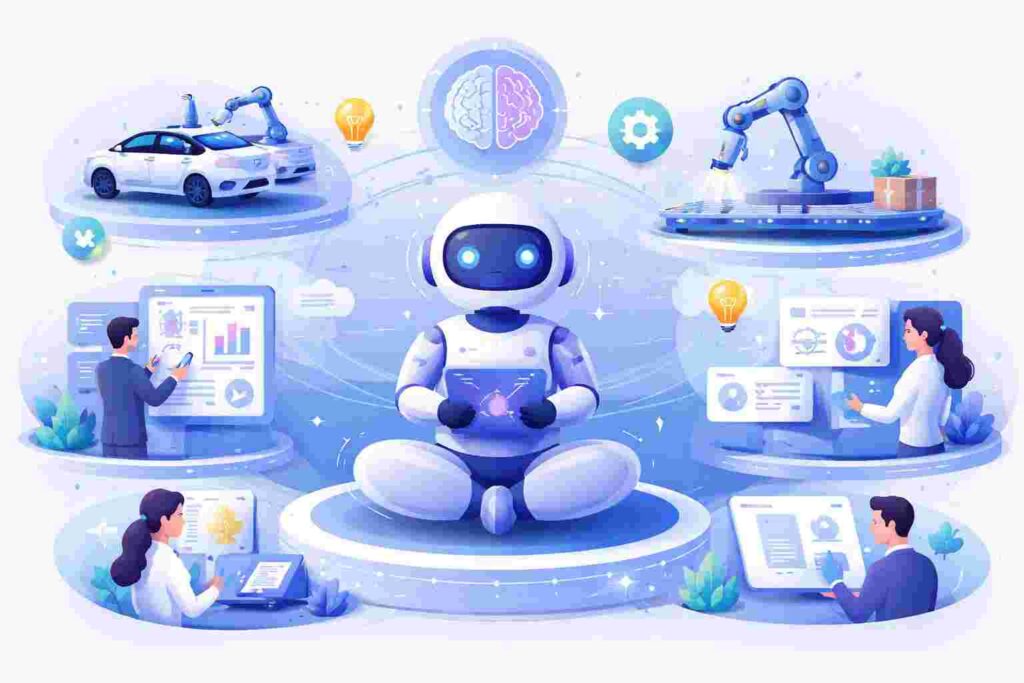
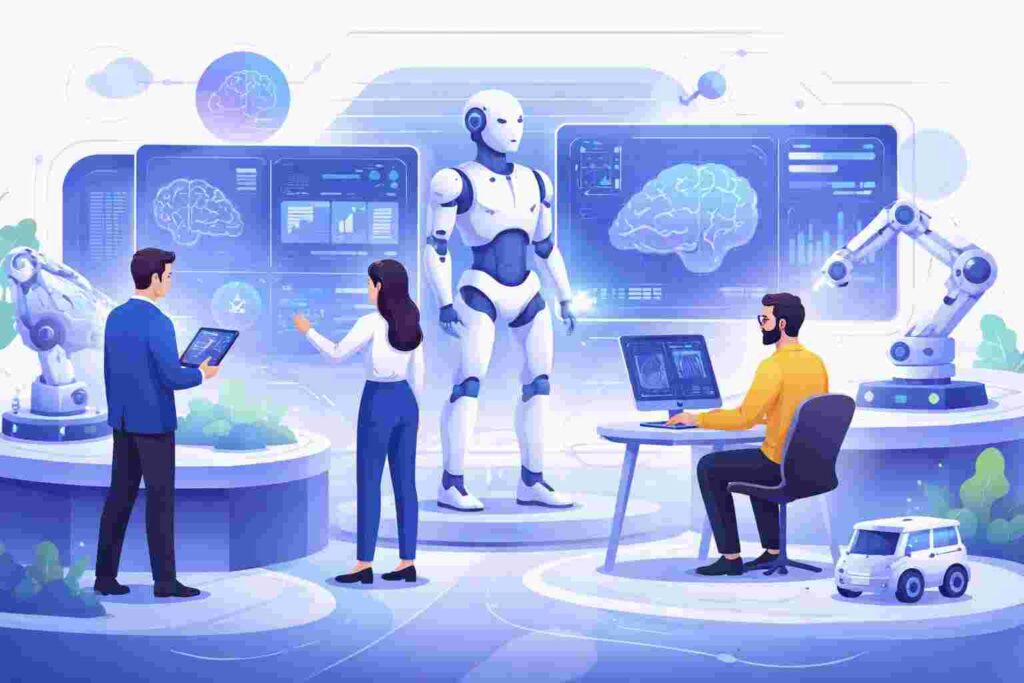
The field of Agentic AI Engineering is rapidly evolving, offering numerous opportunities for professionals who are eager to carve out a niche in this innovative technology landscape. As organizations continuously seek ways to integrate intelligent systems that not only analyze data but also perform tasks autonomously, understanding the career roadmap for Agentic AI Engineers becomes crucial. This article delves into the foundational concepts, technical skills, business impacts, and trends that will shape your career in this flourishing sector.
Foundational Concepts of Agentic AI Engineering
Before diving into the specifics of skills and applications, it is essential to understand what Agentic AI is and the underlying principles that govern this technology. These foundational concepts lay the groundwork for a successful career in this field.
Definition of Agentic AI
Agentic AI refers to systems that can autonomously make decisions, learn from experiences, and perform actions without human intervention. Unlike traditional AI, which primarily analyzes data and generates insights, Agentic AI functions independently, demonstrating a form of agency.
Key Characteristics of Agentic Systems
- Autonomy: The ability to operate without human guidance.
- Reactivity: Responding to changes in the environment in real time.
- Proactivity: Initiating actions based on predictions or learned experiences.
- Social Ability: Interacting and collaborating with other agents or humans.
- Learning: Improving performance through experience and adaptation.
Historical Context and Evolution
The concept of Agentic AI has evolved significantly over the past few decades, driven by advances in machine learning, computational power, and data availability. Initially, systems were rule-based and heavily reliant on human programming. The rise of machine learning and neural networks has enabled a shift towards more sophisticated, autonomous systems.
Core Technical Skills for Agentic AI Engineers
To thrive as an Agentic AI Engineer, one must develop a robust skill set that combines programming expertise, algorithms, and ethical considerations. Below are some of the most significant technical skills required.
Programming Languages and Tools
- Python: Widely used for machine learning and data analysis.
- Java: Preferred for building large-scale enterprise applications.
- R: Beneficial for statistical analysis and visualization.
- SQL: Essential for managing and querying databases.
- Frameworks: Familiarity with TensorFlow, PyTorch, and Keras.
Machine Learning Frameworks
Understanding various machine learning frameworks is critical for developing Agentic AI systems. These frameworks assist in handling complex algorithms efficiently, enabling engineers to focus on modeling and optimization.
Data Privacy and Ethical Considerations
As Agentic AI systems handle vast amounts of data, adhering to data privacy laws such as GDPR is imperative. Engineers must also consider the ethical implications of autonomous decision-making and ensure systems are designed responsibly.
Business Impact of Agentic AI in Various Industries
Agentic AI is not just a technological innovation; it’s a catalyst for transformation across sectors. This section explores the impacts and benefits realized by different industries through the application of Agentic AI technologies.
Agentic AI in Healthcare
In healthcare, Agentic AI systems are being used for predictive analytics, personalized medicine, and robotic surgeries. For example, AI-driven assistants can support doctors in diagnosing diseases by analyzing medical history and test results.
Agentic AI in Finance
The finance industry increasingly relies on Agentic AI for fraud detection, automated trading, and risk management. These systems can analyze transactions in real time, flagging suspicious activity with remarkable accuracy.
Agentic AI in Retail
Retailers employ Agentic AI for inventory management, customer service chatbots, and personalized shopping experiences. By utilizing data from consumer behavior, organizations can optimize inventory and enhance customer interactions.
Strategic Advantages of Leveraging Agentic AI
Businesses employing Agentic AI technologies can gain substantial strategic advantages, ultimately improving their bottom line. Here are some benefits:
Improved Decision-Making
- Data-Driven Insights: Automated systems analyze vast datasets to provide actionable insights.
- Timeliness: Real-time data processing allows for quicker decision-making.
- Scenario Analysis: AI can simulate various outcomes based on different decisions.
- Reduced Bias: AI can offer recommendations based on data rather than human emotions.
Enhanced Customer Experience
- Personalization: Tailored recommendations based on customer preferences.
- 24/7 Support: Chatbots can provide constant customer service availability.
- Feedback Loops: AI learns from customer interactions, continuously optimizing service.
- Efficiency: Reducing wait times through automation improves user satisfaction.
Operational Efficiency Gains
- Process Automation: Routine tasks are performed by AI, freeing up human resources.
- Cost Reduction: Lower operational costs through improved productivity.
- Resource Allocation: AI optimizes resource distribution, enhancing business performance.
- Scalability: AI systems can be scaled according to business needs without significantly increasing costs.
Limitations and Risk Considerations in Agentic AI Engineering
While Agentic AI presents numerous opportunities, it also poses significant risks and limitations that engineers and organizations must consider.
Ethical Implications
The autonomous nature of Agentic AI systems raises ethical concerns regarding accountability, decision-making transparency, and potential biases inherent in algorithms. As AI systems become more prevalent, ethical frameworks must be established to govern their use.
Security Challenges
The deployment of Agentic AI systems can introduce vulnerabilities that may be exploited by malicious actors. Cybersecurity must be a priority to protect sensitive data and maintain trust.
Regulatory Compliance Issues
Organizations must navigate various regulatory landscapes when implementing Agentic AI. Non-compliance can result in severe fines and damage to reputation, necessitating diligent adherence to laws concerning data privacy and AI ethics.
Comparative Evaluation of Agentic vs. Traditional AI Approaches
To better understand the unique advantages of Agentic AI, we must compare it with traditional AI methodologies. The following table highlights essential differences between the two approaches:
| Criteria | Agentic AI | Traditional AI |
|---|---|---|
| Autonomy | High | Low |
| Learning Capability | Dynamic | Static |
| Decision-Making | Autonomous | Human-Guided |
| Complexity | High | Moderate |
| Use Cases | Broad and Diverse | Niche Applications |
Market Trends and Statistics in Agentic AI Development
The Agentic AI market is poised for explosive growth. According to recent statistics, the market is expected to expand at a compound annual growth rate (CAGR) of over 40% through 2028. Additionally, a study reported that 60% of organizations intend to invest in Agentic AI technologies in the coming years. Understanding these trends is vital for professionals entering the field.
Growth Rate of Agentic AI Market
The explosion of interest in Agentic AI has led to significant investments across various sectors. The projected CAGR indicates robust growth and widespread adoption, shaping the future of multiple industries.
Adoption Rates by Industry
Industries such as healthcare, finance, and retail were the first to adopt Agentic AI systems, leading the charge in leveraging automation and intelligence to improve service delivery and operational efficiency. Reports indicate that adoption rates in healthcare have reached 55%, with other sectors following closely behind.
Future Market Projections
Looking ahead, projections suggest that the total market size for Agentic AI will reach $500 billion by 2028, reflecting the growing reliance on AI technologies among enterprises willing to innovate and adapt.
Real-World Case Study: Successful Implementation of Agentic AI
To illustrate the real-world applications of Agentic AI, let’s analyze a case study focusing on a company that successfully adopted this technology.
Company Overview
A leading healthcare provider, Healthcare Innovations Inc., integrated Agentic AI into their diagnostic processes to enhance patient outcomes and streamline operations.
Challenges Faced
- High diagnostic error rates.
- Increasing operational costs.
- Frustrations related to manual data entry.
- Limited resources to handle patient volume.
Measurable Results Post-Implementation
After the implementation of Agentic AI, Healthcare Innovations Inc. reported:
- 30% reduction in diagnostic errors.
- 20% decrease in operational costs.
- 50% improvement in patient processing time.
- Increased patient satisfaction ratings by 35%.
Future Outlook: The Evolution of Agentic AI Engineering Careers
As the Agentic AI landscape continues to evolve, so too do the career opportunities for professionals in this field. It’s important to stay informed regarding emerging technologies and how they will shape future roles.
Emerging Technologies to Watch
Technologies such as quantum computing and advanced neural networks are expected to influence Agentic AI development significantly. Professionals should keep a keen eye on these advancements to remain competitive.
Educational Pathways and Certifications
To excel as an Agentic AI Engineer, obtaining relevant degrees in computer science or engineering, and pursuing certifications in machine learning or data analytics can enhance credibility and technical expertise.
Future Job Market Predictions
The job market for Agentic AI professionals is expected to grow exponentially. Demand for skilled engineers, data scientists, and AI architects will likely outstrip supply, driving salary growth and enhancing job security for aspiring talent.
Frequently Asked Questions about Agentic AI Engineering
What qualifications are needed to become an Agentic AI Engineer?
To pursue a career as an Agentic AI Engineer, a bachelor’s degree in computer science, engineering, or a related field is essential. Practical experience in machine learning, software development, and data analysis will also be extremely beneficial. Many professionals advance their careers through specialized training programs and certifications offered by recognized organizations.
How does Agentic AI differ from traditional AI?
Agentic AI differentiates itself by its ability to make independent decisions without direct human input, focusing on autonomy and adaptability. Traditional AI, on the other hand, often relies on predefined parameters and lacks the same level of self-learning capabilities.
What industries are best for Agentic AI Engineers?
Agentic AI Engineers can find promising opportunities across various sectors, including healthcare, finance, retail, and transportation. Industries that prioritize operational efficiency and customer experience tend to benefit significantly from integrating Agentic systems.
What are the potential salary ranges?
The salary for Agentic AI Engineers varies based on experience, location, and industry. Entry-level professionals may start around $85,000, while experienced engineers can earn upwards of $150,000. Specialized roles in high-demand industries may command even higher compensation.
How does one stay updated in this evolving field?
Continuously expanding one’s knowledge through workshops, online courses, and industry conferences is crucial for staying abreast of new developments in Agentic AI. Networking with professionals in the field and participating in community-driven events can also enhance learning opportunities.
What are the most common challenges faced in this career?
Professionals in Agentic AI engineering often encounter challenges such as ensuring data quality and integrity, addressing ethical dilemmas surrounding AI decisions, and adapting to rapidly changing technologies. Navigating these challenges requires ongoing education and resilience.
Conclusion
As we have explored, the career roadmap for Agentic AI Engineers is rich with opportunities and requires a comprehensive understanding of both technical skills and industry applications. With the increasing demand for autonomous systems, now is the perfect time for aspiring engineers to enter this field. By staying informed and adapting to new technologies, professionals can position themselves for long-term success in the evolving landscape of Agentic AI.
Recap of Key Points
We discussed the foundational concepts, core skills, and strategic advantages of Agentic AI, along with real-world applications and future outlooks within the field. Understanding these aspects is key to fostering a successful career.
Call to Action for Aspiring Engineers
If you’re considering a career in Agentic AI Engineering, now is the time to invest in your education and skills. Seek out opportunities for hands-on experience, and connect with professionals in the field to begin your journey.
Final Thoughts on Industry Growth
The future of Agentic AI is promising, with potential applications that could transform entire industries. By aligning your career with these advancements, you can play an integral role in shaping the future of technology.