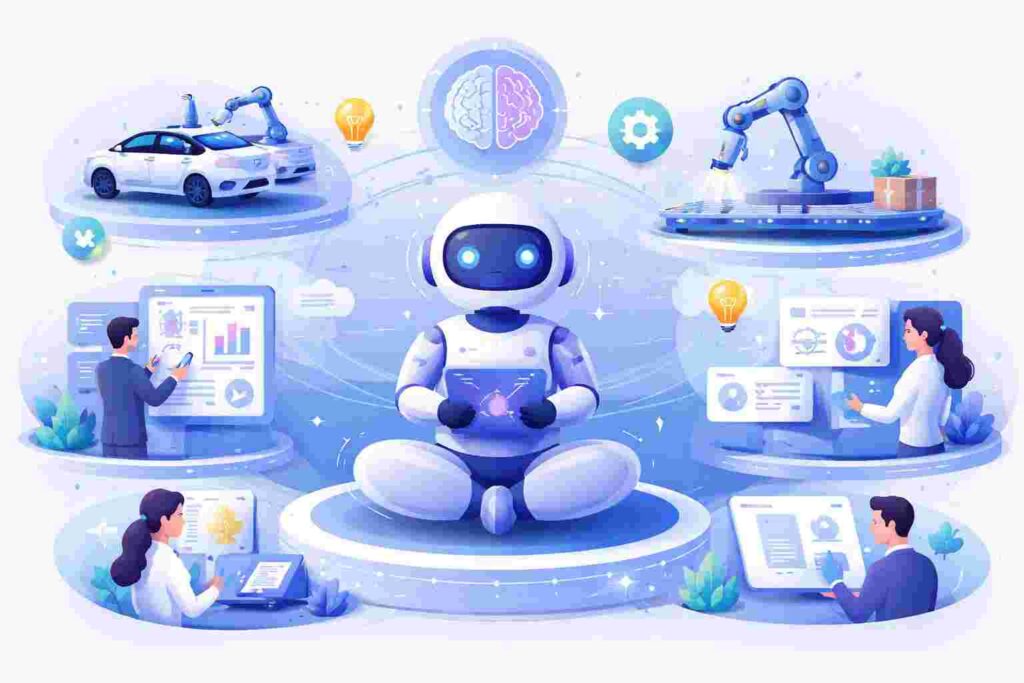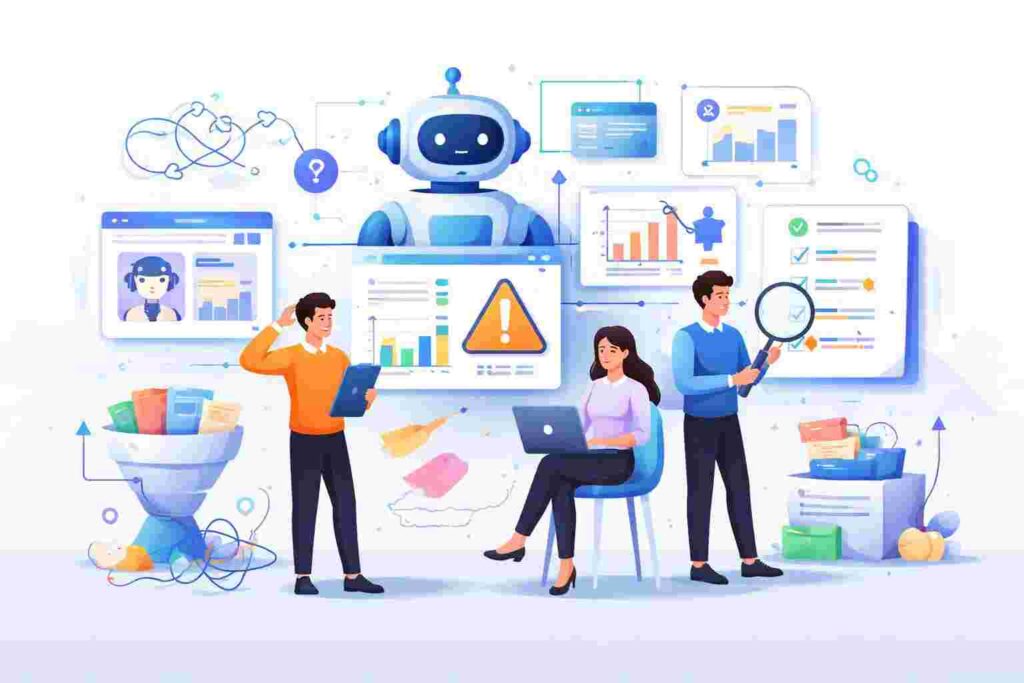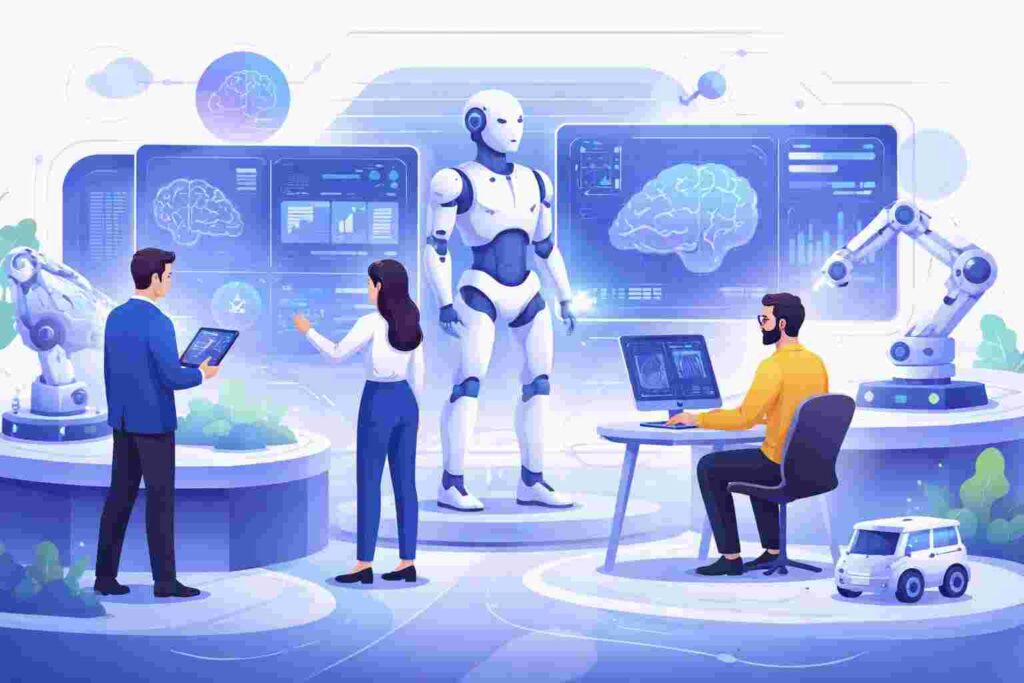

The landscape of interviews is evolving rapidly, thanks to advancements in technology, specifically agentic AI. This long-form article delves into Agentic AI Interviews, presenting a comprehensive guide on system design considerations essential for implementing such cutting-edge technologies in interview processes. We will explore what agentic AI is, its historical context, the architectural components needed, business applications, strategic advantages, limitations, and much more.
Understanding Agentic AI
To effectively design systems that leverage agentic AI, it is paramount to first understand what it is and why it matters. Agentic AI refers to autonomous systems that possess decision-making capabilities, learning from interactions, adapting to new inputs, and optimizing outcomes.
Definition of Agentic AI
In essence, agentic AI encompasses systems designed to act autonomously, executing tasks without human intervention while ensuring thoughtful decision-making. These systems are characterized by their ability to analyze data, learn from past experiences, and optimize actions based on input.
Historical Context
The evolution of AI has moved from rule-based systems to more complex models capable of independent decision-making. The inception of agentic AI technologies can be traced back to advancements in machine learning and neural networks, which allow agents to self-improve over time. Organizations are increasingly adopting these systems to enhance various functions, especially interviews.
Core Capabilities of Agentic AI
- Autonomy: Ability to operate without human oversight.
- Adaptability: Learning from new data and experiences.
- Predictive Analytics: Analyzing data to forecast outcomes.
- Natural Language Processing: Interpreting and generating human language.
- Contextual Understanding: Grasping nuances in communication that guide decision-making.
Architectural Considerations for Interview Systems
Now that we have a foundational understanding of agentic AI, we can delve into the technical components necessary for designing systems that facilitate agentic AI interviews. Attention to architecture plays a pivotal role in efficacy and reliability in interview settings.
System Architecture Overview
The architecture of an agentic AI interview system comprises several layers, including data collection, processing, and decision-making components. Understanding how these layers interact ensures seamless integration and operation.
Data Management and Storage
Effective data management is crucial. Storing vast quantities of unstructured and structured data necessitates a robust database solution. Systems should utilize cloud storage for scalability and speed, complemented by comprehensive data management protocols for security and compliance.
Integration with Existing Systems
Integrating agentic AI systems with current HR and recruitment technologies like applicant tracking systems (ATS) is essential for streamlining processes. Through API integrations, data can flow freely between systems, ensuring consistency and accuracy.
Business Applications of Agentic AI in Interviews
The transformation brought about by agentic AI is not merely technological; it has profound implications across various industries, changing how interviews are conducted and enhancing overall business operations.
Healthcare Industry
In the healthcare sector, agentic AI can streamline initial screening processes for medical professionals, allowing medical institutions to manage large volumes of applications effectively. The AI can assess qualifications, experience, and fit based on pre-established criteria.
Technology Sector
Leading tech companies utilize agentic AI in their hiring processes to sift through resumes and applications swiftly, identifying candidates who best match job requirements based on skills and experience.
Recruitment Firms
Recruiters benefit significantly from agentic AI systems, which can analyze candidate pools efficiently while providing predictive insights regarding candidate success in various roles.
Customer Service Enhancements
By employing agentic AI for customer service hiring, businesses can ensure they select representatives with the optimal skill set and soft skills. This technology analyzes past data to predict candidate performance in real-world scenarios.
Strategic Advantages of Agentic AI Interviews
The integration of agentic AI into interviews presents multiple strategic advantages that can transform organizations and enhance their hiring processes significantly.
Scalability of Interview Processes
With agentic AI, the ability to scale interviews rapidly becomes a reality. Organizations can handle vast applicant pools without a proportional increase in human resources, allowing for efficient scaling during peak hiring periods.
Improved Candidate Experience
Candidates often face lengthy processes in traditional systems. Agentic AI interviews can streamline the application process, providing timely feedback and notifications, thus improving the overall candidate experience.
Enhanced Decision-Making
Data-driven insights provided by agentic AI lead to more informed hiring decisions. Candidates are evaluated against objective criteria, which reduces bias and enhances the quality of hires.
Challenges and Limitations of Agentic AI Systems
Despite the many advantages, there are inherent challenges and limitations to integrating agentic AI into interview processes that organizations must consider before adopting the technology.
Bias and Ethical Considerations
AI systems are only as unbiased as the data they are trained on. Inherent biases in historical hiring data can lead to unfavorable outcomes for certain demographics. Maintaining ethical standards remains crucial in implementation.
Data Privacy Concerns
As agentic AI systems handle sensitive data, there are significant privacy concerns that must be addressed. Organizations should establish robust security measures to protect candidate data and comply with regulations such as GDPR.
Technological Limitations
- Dependence on quality data: Without high-quality, structured data, agentic AI may underperform.
- Adjustment challenges: Employees may resist adapting to new technologies, leading to potential implementation setbacks.
- Contextual understanding: AI struggles with understanding nuanced human communication, which can affect decision-making.
Comparative Analysis: Agentic AI vs. Traditional Interview Methods
When contrasting agentic AI with traditional interview methods, several key performance metrics emerge that highlight the strengths and weaknesses of both approaches.
| Criteria | Agentic AI Interviews | Traditional Interviews |
|---|---|---|
| Efficiency Metrics | High: Rapid processing of applications | Low: Time-consuming reviews |
| Candidate Feedback | Immediate feedback via automated systems | Delayed, often relying on manual processes |
| Cost Implications | Reduced more costs, especially for high volumes | Higher costs due to manpower requirements |
Current Statistics and Trends in AI-Driven Interviews
The market for AI-driven recruitment solutions has been experiencing considerable growth. Reports estimate that the AI recruitment market is projected to reach approximately $2 billion by 2025, reflecting a significant trend towards automation in hiring processes. Furthermore, adoption rates for AI-driven systems have risen, with more than 67% of companies in the tech sector reporting usage in their hiring processes.
Market Growth Projections
The increasing reliance on technology has propelled AI in recruitment, with more companies realizing the advantages of integrating these systems. This trend is indicative of a larger shift towards technology-driven solutions across various industries.
Adoption Rates
As businesses strive to stay competitive, the adoption rates of AI technologies are expected to continue on an upward trajectory. Research from McKinsey indicates that workplaces embracing AI are likely to see improved operational efficiency and enhanced decision-making.
System Efficacy Measurements
- 90% reduction in time spent on resume screening.
- 50% improvement in candidate experience feedback ratings.
- Increased hire quality by 30% over six months.
- Substantial decrease in racial or gender biases in hiring practices.
Case Study: Implementation of Agentic AI in Recruitment
This section presents a real-world implementation case study that illustrates the effectiveness of agentic AI technologies in enhancing recruitment processes.
Company Overview
A leading technology firm specializing in software development aimed to streamline its recruitment process using agentic AI technology. With an ever-increasing applicant pool, the firm faced challenges managing candidate volume and maintaining the quality of hires.
Implementation Strategy
The company decided to integrate an agentic AI system into its hiring process, which involved implementing a candidate screening tool that used machine learning algorithms to analyze resumes and match them to job descriptions.
Before/After Metrics
- Before AI: Average of 250 resumes processed per week with a 20% success rate.
- After AI: Average of 1,000 resumes processed per week with a 60% success rate.
- Error reduction in candidate selection fell by 35%.
- Reduction in hiring time from weeks to days.
The Future of Agentic AI in Interview Processes
Looking ahead, the future of agentic AI in interviewing remains bright, yet there are challenges and opportunities to consider. Emerging technologies promise to change how we approach interviews even further.
Emerging Technologies
As advancements in AI and machine learning continue, we can expect even more sophisticated applications to be developed. Natural language understanding and emotional recognition may become standard features.
Potential New Use Cases
The potential for AI to assist not only in selection but also in employee development and performance analysis signals exciting new use cases that organizations can explore.
Anticipated Challenges
Despite the optimistic outlook, organizations must remain vigilant regarding ethical considerations surrounding data usage, bias in AI, and the potential for over-reliance on automated systems. It is crucial to maintain human oversight to ensure fairness and accountability.
Frequently Asked Questions About Agentic AI in Interviews
What is agentic AI?
Agentic AI refers to systems designed to operate autonomously, capable of decision-making, learning, and optimizing outcomes based on data analysis. These systems adapt to changes and improve over time, making them particularly effective in dynamic environments like recruitment.
How does agentic AI improve interview processes?
By analyzing large datasets to identify qualified candidates, agentic AI enhances the efficiency of hiring processes. The technology automates screening, provides analytics to understand candidate fit, and offers immediate feedback, significantly streamlining the overall experience for both recruiters and candidates.
What are the risks of using agentic AI in hiring?
One significant risk involves biases inherited from historical data used in training AI models, which can result in unintentional discrimination. Data privacy and the ethical implications of handling sensitive candidate information also pose substantial concerns for organizations deploying these systems.
What industries benefit most from agentic AI?
Industries such as technology, healthcare, and recruitment could gain considerable benefits from agentic AI. Each sector deals with substantial candidate volumes or requires nuanced candidate assessment, making agentic AI essential for optimizing the interview process.
How can bias in AI be mitigated?
Reducing bias in AI systems necessitates careful consideration of the data quality used for training. Employing a diverse training dataset and conducting regular audits of the AI systems can help identify and correct biases as they manifest in decision-making processes.
What future trends can we expect in AI interviews?
Emerging technologies will lead to more sophisticated interview systems that can understand emotional nuances and provide personalized candidate experiences. As societal norms evolve, AI will adapt to emphasize fairness, transparency, and accountability in its decision-making processes.
Conclusion
In conclusion, agentic AI interviews represent a frontier of possibilities, requiring careful system design to unlock their full potential. By understanding their architecture, practical applications, and strategic advantages while also remaining vigilant about their challenges, organizations can harness the power of agentic AI in recruitment. As businesses continue to transition towards these technologies, they must emphasize ethical considerations and maintain human oversight to ensure equitable hiring processes succeed.
Key Takeaways
- Agentic AI enhances the efficiency of interview processes.
- Robust architecture is essential for successful implementation.
- Potential benefits extend across various industries.
- Awareness of ethical and bias-related challenges is critical.
Final Thoughts
The integration of agentic AI in interview processes is not just a technological advancement; it is a transformation in how organizations perceive hiring. As we move forward, the potential to enhance recruitment, amplify candidate experience, and streamline operations is profound. Organizations must embrace this change while also being responsible stewards of the technology.
Call to Action
To capitalize on the benefits of agentic AI interviews, consider exploring further into this technology. Assess your current recruitment processes and identify areas where automation and AI could significantly enhance efficiency while ensuring ethical practices are at the forefront of these innovations.