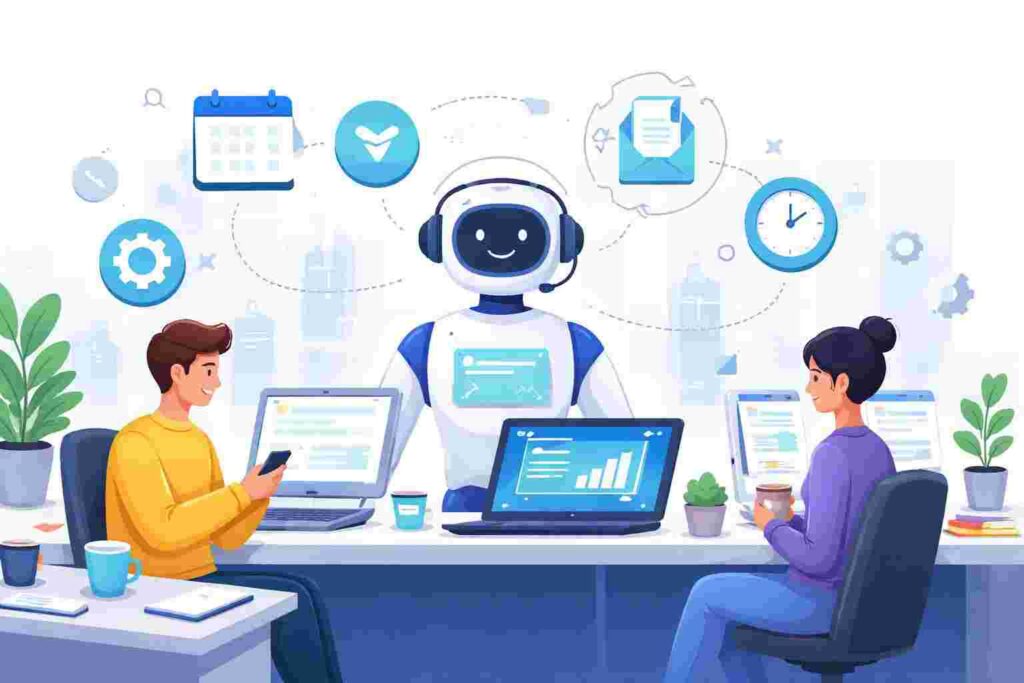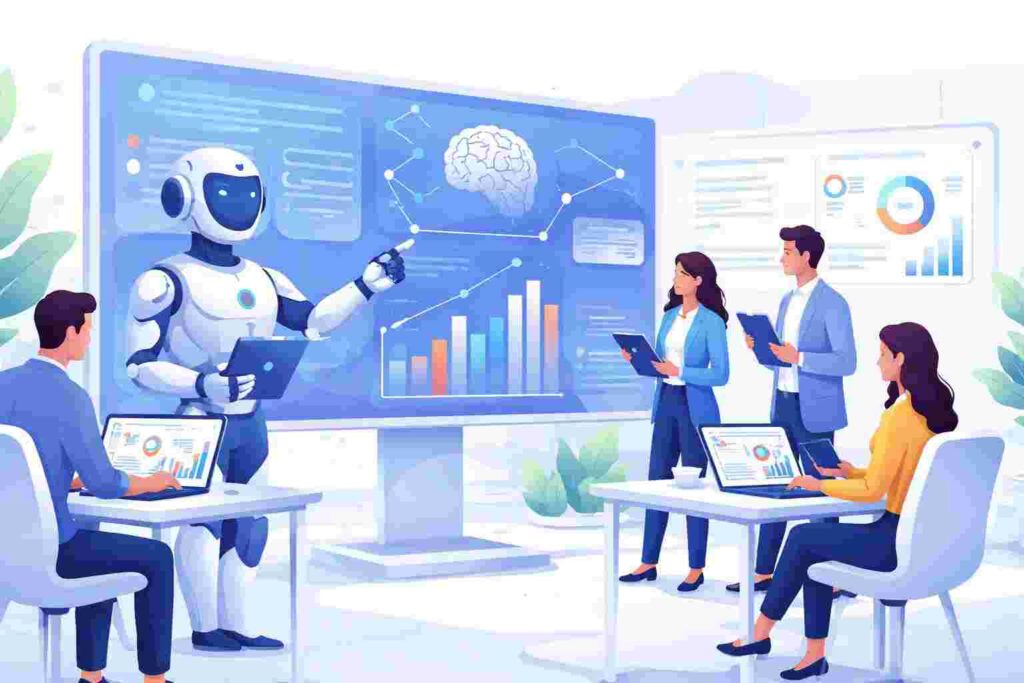
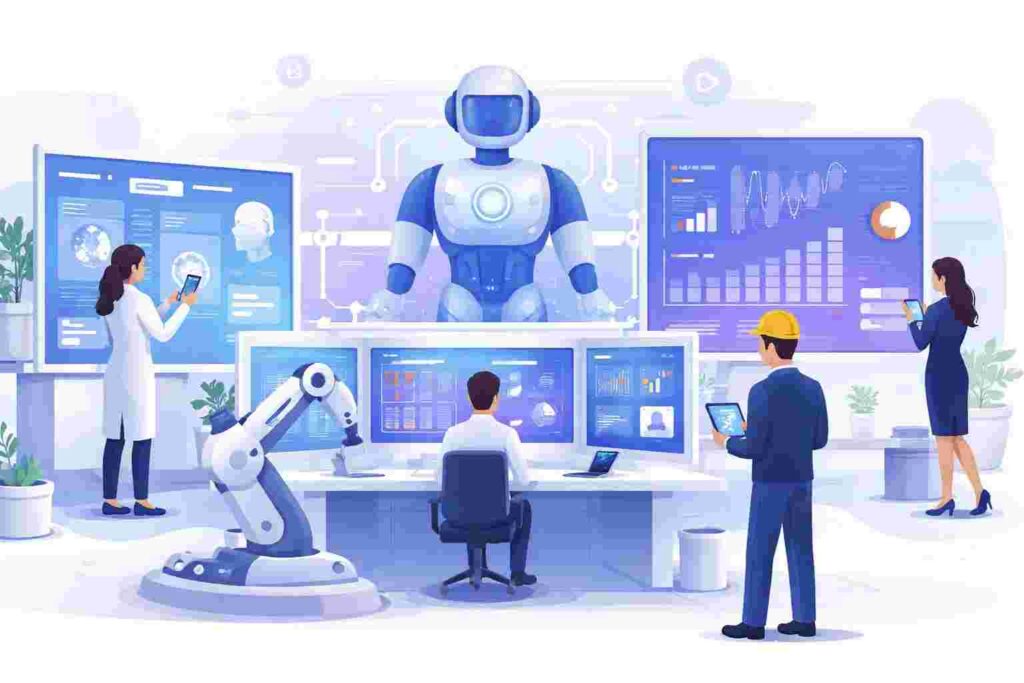
In today’s technological landscape, deploying agentic AI systems has become a pivotal factor across various industries. These systems exhibit a level of autonomy that allows them to operate and make decisions independently, redefining processes and enhancing efficiencies in ways we’ve never seen before. Understanding the significance and impact of such systems is essential for organizations aiming to innovate and lead in their respective fields.
Foundational Concepts of Agentic AI
In order to navigate the complexities of agentic AI systems, it is crucial to establish foundational concepts that encapsulate their essence.
Defining Agentic AI
Agentic AI refers to a subset of artificial intelligence systems endowed with the capacity to act autonomously. Unlike traditional AI, which primarily assists human tasks, agentic AI can make decisions based on its learned experiences, environmental data, and programmed objectives. This autonomy allows it to adapt and optimize its behavior in real time.
Key Characteristics of Agentic AI Systems
- Decision-Making Autonomy: The ability to make decisions without human intervention.
- Learning Capability: Continuous learning from data and experiences to improve future performance.
- Environmental Adaptability: The ability to sense and respond to changes in its environment.
- Goal-Directed Actions: Engaging in activities aimed at achieving specific objectives.
The Role of Autonomy in AI
Autonomy is the cornerstone of agentic AI. This characteristic allows AI systems to function independently, which can significantly reduce the workload on human operators. By handling repetitive and data-intensive tasks, agentic AI systems enable employees to focus on strategic initiatives further enhancing operational productivity.
Technical Mechanisms Behind Agentic AI
To appreciate the workings of agentic AI, one must delve into the technical mechanisms that empower these systems.
Machine Learning Algorithms Used
Machine learning algorithms play a crucial role in enabling agentic AI systems to analyze data, recognize patterns, and make informed decisions. Commonly used algorithms include:
- Decision Trees
- Neural Networks
- Support Vector Machines (SVM)
- Reinforcement Learning
- Deep Learning Networks
Natural Language Processing in Agentic AI
Natural Language Processing (NLP) allows agentic AI to understand and generate human language, facilitating seamless communication between humans and machines. This capability is essential for tasks such as customer service automation and sentiment analysis, enabling machines to comprehend context and respond accordingly.
Integrating AI with Existing Systems
Successful deployment of agentic AI often involves integrating it with existing business systems. This may include Customer Relationship Management (CRM) software, enterprise resource planning systems, or operational databases. Ensuring compatibility and effective data exchange between systems enhances overall functionality and user experience.
Business Impacts of Agentic AI
The implications of agentic AI extend far beyond technological advancements. They have a profound impact on various business functions, driving innovation and efficiency.
Healthcare Innovations
In the healthcare sector, agentic AI is revolutionizing patient care. For example, AI systems are used to predict patient outcomes, manage healthcare logistics, and even assist in diagnostics. According to a recent report, the AI health market is projected to reach $188 billion by 2030, highlighting its transformative potential.
AI in Financial Services
Financial institutions leveraging agentic AI systems are experiencing enhanced risk management, personalized customer services, and improved decision-making capabilities. These systems analyze vast amounts of financial data, enabling timely insights into market trends and client needs.
Transforming Customer Engagement in Retail
- Personalized Shopping Experiences
- Automated Customer Support
- Inventory Management Optimization
- Targeted Marketing Campaigns
Strategic Advantages of Implementing Agentic AI
The strategic advantages gained from deploying agentic AI systems can be transformative for organizations, setting them apart in competitive markets.
Enhanced Decision-Making
Agentic AI systems can enhance decision-making processes by providing real-time insights derived from data analysis. This capability enables organizations to make informed decisions swiftly, responding effectively to market dynamics.
Operational Efficiency Improvements
By automating routine tasks and optimizing workflows, agentic AI significantly boosts operational efficiency. Organizations can reduce costs associated with labor and increase productivity, allowing for greater agility in operational processes.
Scalability and Flexibility
- Ability to scale operations according to demand
- Flexible adaptation to new business strategies
- Support for various business models
- Efficient resource allocation
Limitations and Risk Considerations of Agentic AI
While the benefits are significant, deploying agentic AI systems comes with its set of limitations and risks that organizations must consider.
Ethical Considerations
As with any technology, ethical implications must be at the forefront of agentic AI deployments. Issues such as bias in algorithms or autonomy over decision-making raise questions about accountability and fairness. Organizations must establish clear governance frameworks to navigate these concerns effectively.
Data Privacy Issues
Data privacy is paramount, especially for systems that handle sensitive information. Ensuring compliance with regulations such as GDPR and CCPA is essential to maintain consumer trust and avoid legal repercussions.
Dependence on Technology
- Risk of technology failures
- Potential job displacement
- Lack of human oversight leading to errors
- Overreliance on AI decisions
Comparison of Agentic AI Solutions
Choosing the right agentic AI solution requires understanding the landscape and making informed choices. The following comparison highlights critical factors across leading systems.
| Features | Solution A | Solution B | Solution C |
|---|---|---|---|
| Decision Making Autonomy | High | Medium | High |
| Learning Capability | Advanced | Basic | Advanced |
| Integration Complexity | Medium | High | Low |
| Cost | $200,000 | $150,000 | $300,000 |
Statistics and Market Trends in Agentic AI
The agentic AI market is poised for tremendous growth, with estimates suggesting it will reach a value of $450 billion by 2026. This surge reflects widespread adoption across industries as organizations recognize the necessity of adopting such advanced technologies to remain competitive.
Market Growth Projections (2023-2028)
Studies indicate that the agentic AI sector is projected to grow at a CAGR of 40% in the coming years, underscoring its increasing relevance and application in various business environments.
Investment Trends in AI Technologies
Recent data reveals that investments in AI technologies are on the rise, with businesses allocating over $60 billion in 2022 alone. This trend indicates a growing confidence in AI systems’ capability to drive business value and innovation.
Adoption Rates Across Industries
- Healthcare: 30% adoption rate
- Finance: 25% adoption rate
- Retail: 20% adoption rate
- Manufacturing: 15% adoption rate
Real-World Case Studies of Agentic AI Deployment
Examining case studies of successful deployments reveals tangible benefits agentic AI can provide.
Case Study in Manufacturing Automation
A manufacturing firm implemented an agentic AI system to streamline production processes. The deployment resulted in a 30% reduction in operational costs and a 20% increase in production efficiency within six months.
Case Study in Customer Service Enhancement
A retail company adopted agentic AI for customer service automation. The outcomes included a 40% decrease in response times and a notable enhancement in customer satisfaction scores, leading to a 15% sales increase in one fiscal year.
Before and After in Healthcare AI
In a healthcare setting, an agentic AI system was introduced to assist with patient diagnostics. The efficiency in diagnostics improved by 50%, with a subsequent significant increase in the accuracy of treatment recommendations.
Future Outlook for Agentic AI Systems
Exploring future trends unveils exciting pathways for agentic AI technology that could reshape various industries.
Predictions for AI Autonomy
Experts project a growing trend towards deeper autonomy in AI systems, predicting that within the next decade, systems will manage increasingly complex tasks without human oversight.
Upcoming Innovations in Machine Learning
Continuous advancements in machine learning capabilities will further enhance the sophistication of agentic AI solutions, enabling better prediction, analysis, and decision-making processes.
Regulatory Trends Impacting AI
- Increased privacy regulations
- Mandatory transparency for AI decision-making
- Ethical guidelines for AI use
- Standards for algorithmic accountability
Frequently Asked Questions About Agentic AI
What is the difference between reactive and agentic AI?
Reactive AI systems only respond to specific inputs without the ability to learn or adapt beyond their programmed functions. In contrast, agentic AI possesses autonomous decision-making capabilities and can learn from experiences to improve performance, enabling it to handle more complex tasks effectively.
What industries are benefiting the most from agentic AI?
Industries like healthcare, finance, and retail stand out as major beneficiaries. They leverage agentic AI for tasks ranging from personalized customer interactions to predictive analytics, significantly improving efficiency and customer satisfaction.
How do organizations manage the ethical implications of agentic AI?
Organizations are increasingly establishing ethical frameworks and governance structures to manage AI’s ethical implications. This includes conducting bias audits, ensuring algorithmic transparency, and engaging stakeholders in ethical discussions about AI deployment. These measures help maintain accountability and uphold consumer trust.
What are the initial steps to implement agentic AI in a business?
Initially, businesses should assess their specific needs and objectives for AI adoption. Following this, they can pilot small-scale implementations, invest in training staff on AI tools, and subsequently evaluate results to scale the solution across the organization effectively.
How can businesses measure the impact of agentic AI?
Businesses can measure the impact of agentic AI through key performance indicators (KPIs) such as cost reduction, productivity improvements, and customer satisfaction scores. By analyzing these metrics, organizations can assess the ROI and overall benefits of their AI solutions.
What are some common pitfalls to avoid when deploying agentic AI?
Common pitfalls include underestimating the complexity of integration with existing systems, neglecting to address data privacy issues, and failing to implement robust ethical guidelines. These factors can hinder deployment success and lead to long-term repercussions.
Conclusion and Key Takeaways
The deployment of agentic AI systems presents numerous opportunities and challenges. Key takeaways from our exploration include the emphasis on ethical considerations, understanding the importance of integration, and the potential transformative impact across sectors. Organizations eager to stay ahead must embrace these innovative technologies while navigating the associated complexities.
Ultimately, the evolution of agentic AI is profoundly shaping business landscapes, prompting industries to rethink strategies, enhance efficiencies, and prioritize customer engagement. The future is bright for those ready to leverage the capabilities of agentic AI.