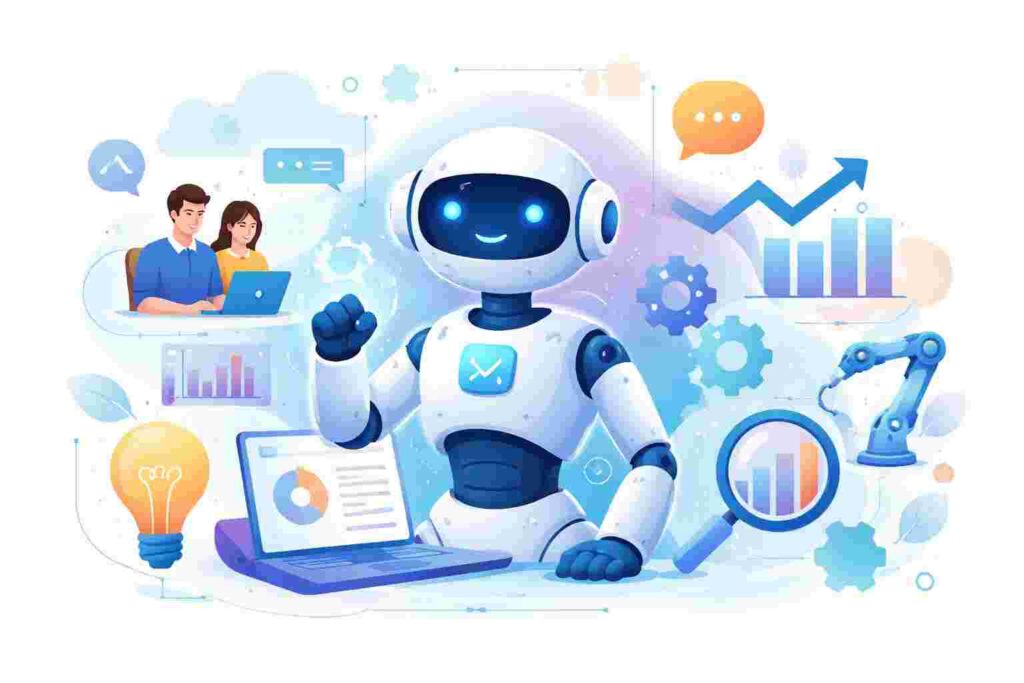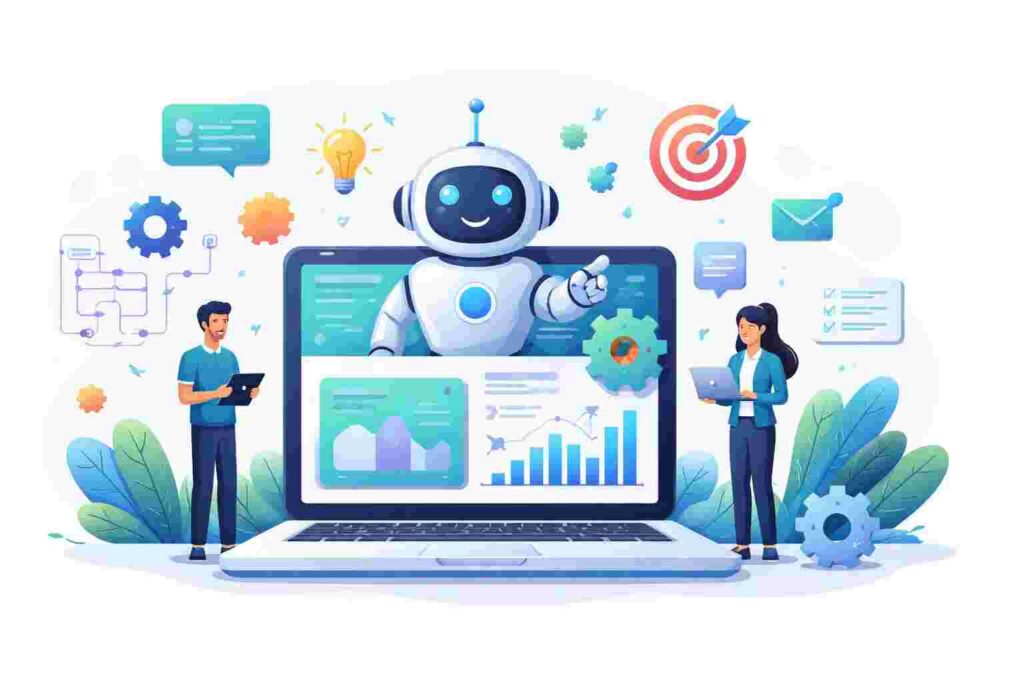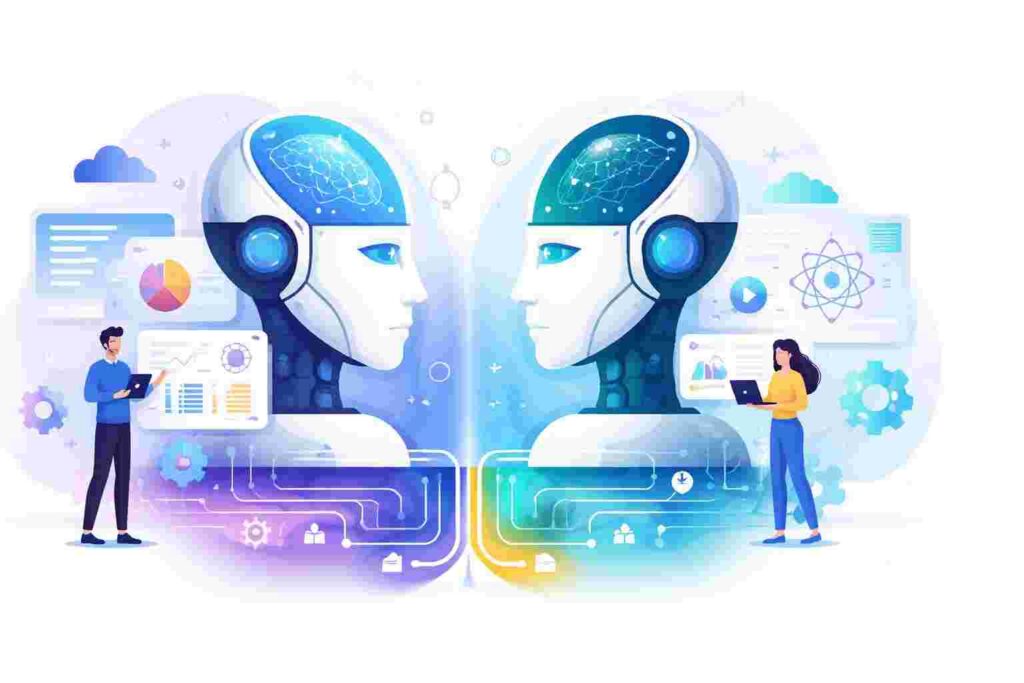
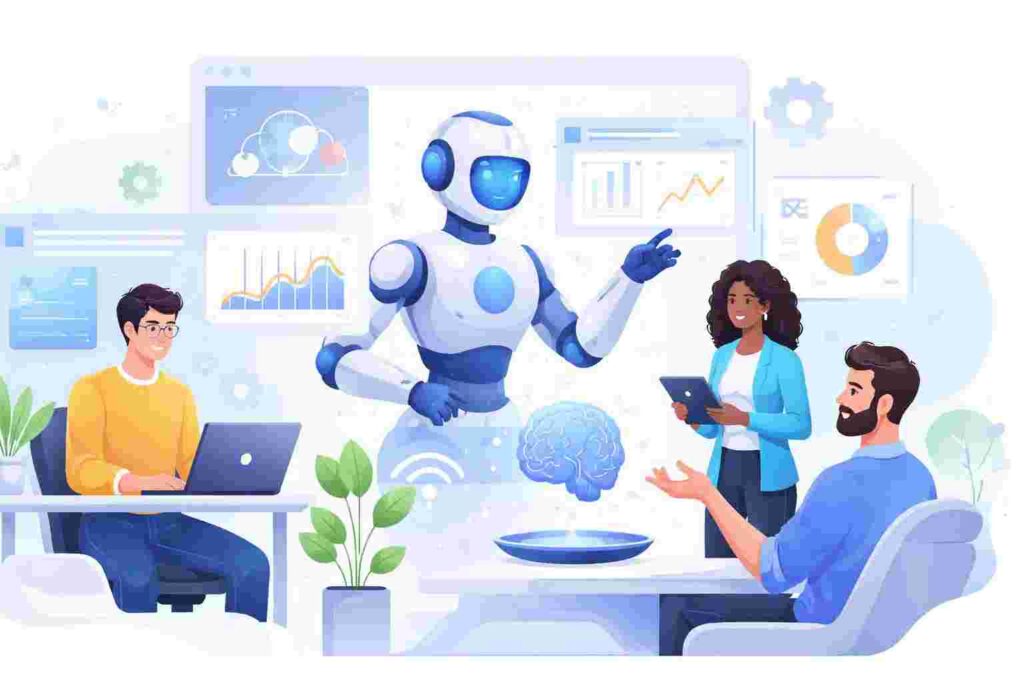
In an era where technology is evolving at a breakneck pace, Human-in-the-Loop Agentic AI emerges as a pivotal concept. This innovative approach blends human intelligence with artificial intelligence to create systems that operate not just autonomously, but with human oversight and input. This guide delves into the depths of Human-in-the-Loop Agentic AI, exploring its significance, mechanisms, applications, and future prospects in the digital landscape.
Understanding Human-in-the-Loop Agentic AI
Definition and Overview
Human-in-the-Loop Agentic AI refers to an AI system that harmonizes human expertise with machine learning capabilities to enhance decision-making processes. By integrating human judgment throughout the lifecycle of AI solutions, these systems strive to achieve superior outcomes compared to fully automated alternatives.
Historical Context
The concept of integrating human feedback into AI systems is not new. Historically, AI systems were primarily designed for automation, often leading to errors when faced with unexpected scenarios. As AI began to evolve, researchers recognized the need for human involvement to create reliable and robust systems capable of addressing complex problems. This recognition paved the way for Human-in-the-Loop frameworks.
Key Components
- Human Feedback: Continuous input from users to improve system accuracy.
- Data Management: Handling data collection, processing, and updating based on human insights.
- Machine Learning Algorithms: Algorithms that adapt based on human interactions.
- User Interface: Design that allows intuitive interaction between humans and AI.
- Feedback Loops: Mechanisms that facilitate ongoing learning and adaptation.
The Mechanisms Behind Human-in-the-Loop Agentic AI
Data Input and Processing
The backbone of any Human-in-the-Loop system is robust data input and processing capabilities. Systems gather data from multiple sources, often utilizing big data technologies to ensure comprehensive input. These data types can be structured, semi-structured, or even unstructured, allowing for a rich tapestry of information for the algorithm. Human feedback plays a crucial role in enhancing the quality and relevance of this data.
Human Oversight Integration
Integrating human oversight involves creating a framework where human operators can intervene in the decision-making process. This can take the form of direct oversight or advisory roles. For example, in healthcare applications, a radiologist may review an AI’s diagnostic suggestions, ensuring that human expertise complements machine accuracy.
Machine Learning Algorithms
Machine learning algorithms in Human-in-the-Loop systems are unique because they are designed to incorporate human insights into learning cycles. They not only automate tasks but continuously improve through feedback. These algorithms can adjust their predictions or classifications based on the corrections provided by human users, making for a dynamic and adaptive system.
Business Applications of Human-in-the-Loop Agentic AI
Healthcare Industry Applications
The healthcare sector is one of the most significant beneficiaries of Human-in-the-Loop Agentic AI. For instance, AI models are used to analyze medical images, but human specialists review the results before finalizing any diagnosis. This collaborative effort leads to more accurate outcomes and has generated promising statistics, with some studies indicating a reduction in diagnostic errors by over 20% when human feedback is integrated.
Financial Sector Innovations
In finance, algorithms manage vast amounts of transaction data to detect anomalies or potential fraud. However, human analysts evaluate flagged transactions, ensuring contextual insights are applied. This synergy between machine learning and human judgment improves risk assessments—leading to operational efficiencies that can reduce costs by remarkable margins.
Automotive and Transportation Use Cases
In the automotive industry, Human-in-the-Loop systems underpin much of the development surrounding autonomous vehicles. While AI can process environments and make driving decisions, human monitors ensure safety and compliance with regulations. This partnership is crucial, especially in cases where unexpected conditions arise, allowing for immediate human input to maintain safety.
Strategic Advantages of Human-in-the-Loop Agentic AI
Enhanced Decision Making
The primary strategic advantage of Human-in-the-Loop systems lies in their capacity for enhanced decision-making. By assimilating human insights, these systems become competent at tackling tasks that require a nuanced understanding, something fully automated systems often struggle with. This integration results in decisions that are not only effective but also considerate of human perspectives.
Reduced Error Rates
One of the prominent challenges with fully automated systems is the propensity for errors, especially in complex scenarios. By leveraging human judgment, these systems can mitigate risks associated with incorrect outputs. In sectors like finance, the reduction in error rates has been documented to enhance compliance and operational efficiency.
Scalability and Adaptability Benefits
- Scalable Solutions: Systems can scale operations based on real-time human interactions.
- Dynamic Learning: Algorithms adapt to new patterns and insights provided by humans.
- Enhanced User Experience: Human feedback informs user interface design for better usability.
- Rapid Error Correction: Human insights facilitate swift identification and correction of mistakes.
- Broader Application Range: Applicable across diverse fields due to human adaptability.
Evaluating Limitations and Risks
Bias and Ethical Concerns
Despite the numerous advantages, Human-in-the-Loop systems are not devoid of their challenges. Bias can inadvertently manifest through human inputs, introducing potentially detrimental outcomes. To tackle this, organizations must investigate the origins of bias within their data sets and feedback mechanisms actively.
Dependency on Human Input
Another limitation is the inherent dependency on human input, which may introduce inconsistencies. When human feedback is misaligned, it can lead to conflicting results or exacerbate errors. Balancing human input with automated processes is crucial for maintaining system reliability.
Scalability Challenges
- Resource Allocation: Scaling human resources can become a logistical challenge.
- Quality Control: Ensuring a consistent quality of human input can be difficult as operations expand.
- Training Requirements: Adequate training for humans to provide meaningful feedback is essential.
- Over-reliance on Experts: Increased dependency on specialists can limit scalability.
- Increased Complexity: More moving parts can lead to complications in managing systems.
Comparative Analysis of Human-in-the-Loop versus Fully Automated Systems
Efficiency Metrics
Comparing Human-in-the-Loop systems with fully automated counterparts unveils significant differences in performance metrics. While automated systems often excel in processing speed and volume, Human-in-the-Loop systems bring forth qualitative benefits in accuracy and contextual understanding.
Cost Implications
From a cost perspective, Human-in-the-Loop systems might entail initial higher investments in training and integration, yet the returns often justify the spend. Reductions in errors and heightened reliability lead to lower long-term costs.
Output Quality Comparison
| Aspect | Human-in-the-Loop Systems | Fully Automated Systems |
|---|---|---|
| Accuracy | Higher due to human oversight | Variable; depends on training data |
| Speed | Slower due to human involvement | Very fast |
| Scalability | Moderate; dependent on human resources | High; can scale quickly |
| Adaptability | High due to user feedback | Limited; strays from programmed behavior |
| Cost | Higher initial investment | Lower upfront costs |
Statistics and Market Trends in Human-in-the-Loop Agentic AI
Market Growth Projections
The market for Human-in-the-Loop AI solutions is projected to reach $XX billion by 20XX, growing at a CAGR of XX%. As businesses recognize the advantages of integration, the demand for these systems is on a sharp rise.
Adoption Rates by Industry
Adoption rates across various sectors show a clear inclination towards Human-in-the-Loop systems, particularly within healthcare, which has witnessed an increase of over 40% in uptake due to improved diagnostic accuracy. Financial services are closely following, with many firms transitioning to incorporate these methodologies.
Investment Trends in AI Technologies
- Heightened Funding: Venture capitalists are funneling significant investments into AI technologies, with Human-in-the-Loop solutions capturing a notable share.
- Research and Development: Companies are ramping up R&D efforts to refine these systems.
- Startups Focus: Numerous startups are exploring innovative approaches within the Human-in-the-Loop framework.
- Partnerships: Collaborations between tech firms and traditional industries are increasing.
Real-World Case Studies Demonstrating Impact
Case Study: Healthcare Outcomes
In a recent implementation at a leading hospital, the integration of a Human-in-the-Loop AI system for diagnostic imaging showed a 25% improvement in diagnostic accuracy after the first year. The collaboration between radiologists and the AI led to faster diagnosis and improved treatment outcomes.
Case Study: Financial Decision Accuracy
A financial institution that adopted Human-in-the-Loop AI for fraud detection reported a decrease in false positives by over 30% within six months. The system effectively reduced the workload for human analysts while enhancing decision-making accuracy.
Case Study: Transportation Safety Enhancements
In the transportation sector, a company utilizing Human-in-the-Loop AI for autonomous vehicle navigation recorded a significant decline in accident rates, attributed to enhanced human feedback mechanisms during critical decision points, marking a promising step towards safer streets.
Future Outlook: Trends Shaping Human-in-the-Loop Agentic AI
Predicted Technological Advances
Emerging technologies are set to further revolutionize Human-in-the-Loop systems. Advancements in machine learning techniques will drive more efficient algorithms that learn faster from human interactions, paving the way for seamless integration.
Ethical Considerations for the Future
As these systems gain traction, ethical implications surrounding data privacy and biased inputs must be addressed proactively. Ensuring transparency in AI decision-making processes is essential to maintaining public trust.
Emerging Areas for Application
- Education: Personalized learning experiences tailored to student needs.
- Retail: Customer service bots that utilize human input for better interaction.
- Agriculture: Smart farming systems that incorporate human evaluations for crop management.
- Climate Science: AI that can adapt based on human feedback to model climate change scenarios.
Frequently Asked Questions about Human-in-the-Loop Agentic AI
What are the main benefits of Human-in-the-Loop AI?
The benefits of Human-in-the-Loop AI are multi-faceted, primarily centered around enhanced accuracy, reduced bias, and adaptability. By merging human insights with machine capabilities, organizations can ensure decisions are contextually relevant and reliable. Furthermore, these systems provide an important safeguard against errors, particularly in high-stakes environments like healthcare and finance.
In summary, the integration of human judgment fosters collaboration that can lead to innovative solutions, unlocking opportunities for businesses to leverage technology in ways that were not previously possible. This creates a unique competitive advantage in an increasingly data-driven world.
How does Human-in-the-Loop AI mitigate bias?
Bias in AI systems can stem from various sources, including flawed data sets or algorithmic bias. Human-in-the-Loop AI aims to mitigate bias by integrating human input to review and refine outputs continuously. By utilizing diverse human perspectives, organizations can address biases more effectively, ensuring that AI systems make equitable decisions.
Additionally, the ongoing feedback mechanism allows organizations to retrain their AI models with updated data reflective of real-world scenarios, further reducing the risk of bias manifesting in decisions. This iterative process helps maintain fairness and inclusivity across applications.
What industries are benefiting from Human-in-the-Loop AI?
Several industries are realizing the potential of Human-in-the-Loop AI, with notable examples being healthcare, finance, automotive, and customer service. Each of these sectors utilizes the collaborative approach to enhance decision-making and operational efficiency.
In healthcare, for instance, the integration of radiologists in the diagnostic process enhances accuracy, while in finance, human analysts contribute valuable context to fraud detection algorithms. The landscape is expanding, with many organizations across sectors beginning to explore these hybrid solutions.
What challenges does Human-in-the-Loop AI face?
While the benefits are promising, Human-in-the-Loop AI is not without its challenges. Key issues include biases stemming from human inputs, the need for robust training programs for employees, and maintaining integration across different systems.
Organizations must develop strategies to address these challenges proactively, such as regular audits of bias in systems, clear training modules for users, and ensuring seamless cooperation between machine and human operators to maximize effectiveness.
How do you measure the effectiveness of Human-in-the-Loop AI?
Measuring the effectiveness of Human-in-the-Loop AI relies on multiple metrics, including accuracy, efficiency, user satisfaction, and error rates. By establishing clear KPIs, organizations can assess the performance of both the machine learning components and human interactions to ensure both are working optimally.
Additionally, continuous monitoring allows for adjustments in real time, using analytics to gauge the quality of both AI outputs and the human feedback provided. This holistic approach to measurement can lead to a better understanding of operational strengths and areas that require improvement.
What is the future of Human-in-the-Loop Agentic AI?
The future of Human-in-the-Loop Agentic AI appears bright as technology continues to evolve. Increased advancements in machine learning and AI capabilities will enable systems to learn more effectively from human interactions, becoming more intuitive and responsive over time.
Moreover, as industries increasingly embrace these systems, ethical frameworks and regulatory measures will likely evolve to address concerns, ensuring that human involvement in AI processes maintains a focus on fairness, transparency, and accountability.
Conclusion: The Path Forward for Human-in-the-Loop Agentic AI
In summary, Human-in-the-Loop Agentic AI represents a transformative approach in the way organizations leverage artificial intelligence. By bridging human judgment with machine efficiency, we are poised to witness advancements that not only enhance decision-making but also address some of the inherent challenges faced by fully automated systems. Stakeholders must navigate these transitions thoughtfully, promoting a collaborative future that harnesses the best of both human and artificial intelligence.
As the landscape evolves, continuous investment in training, ethical practices, and technology will be vital in reaping the full benefits of these systems, ensuring that Human-in-the-Loop AI is not just a trend but a standard in future technological innovations.