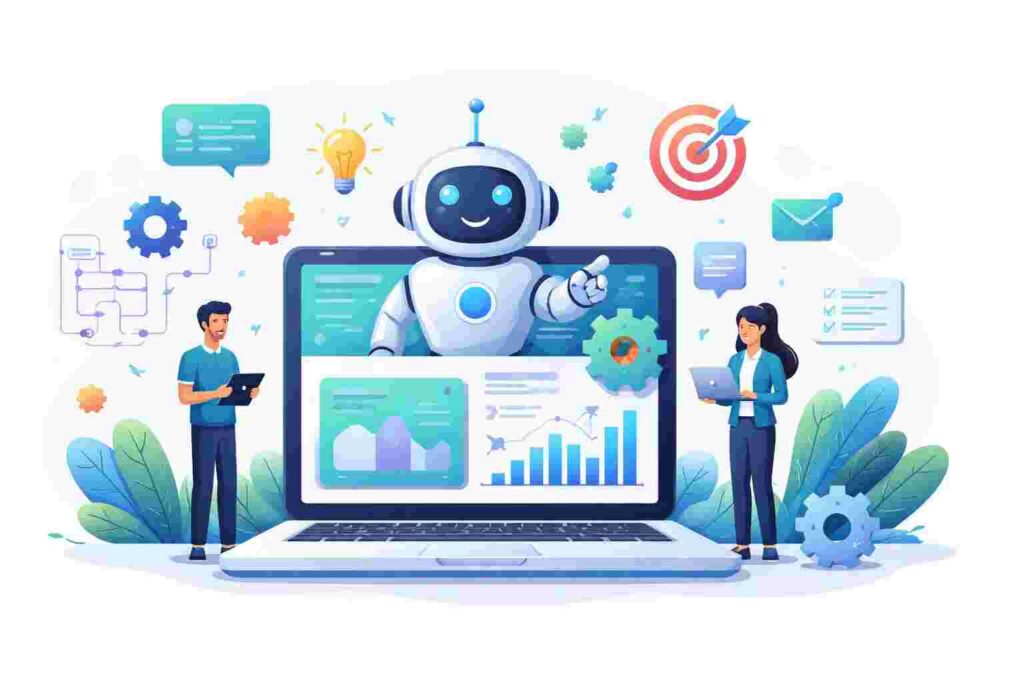
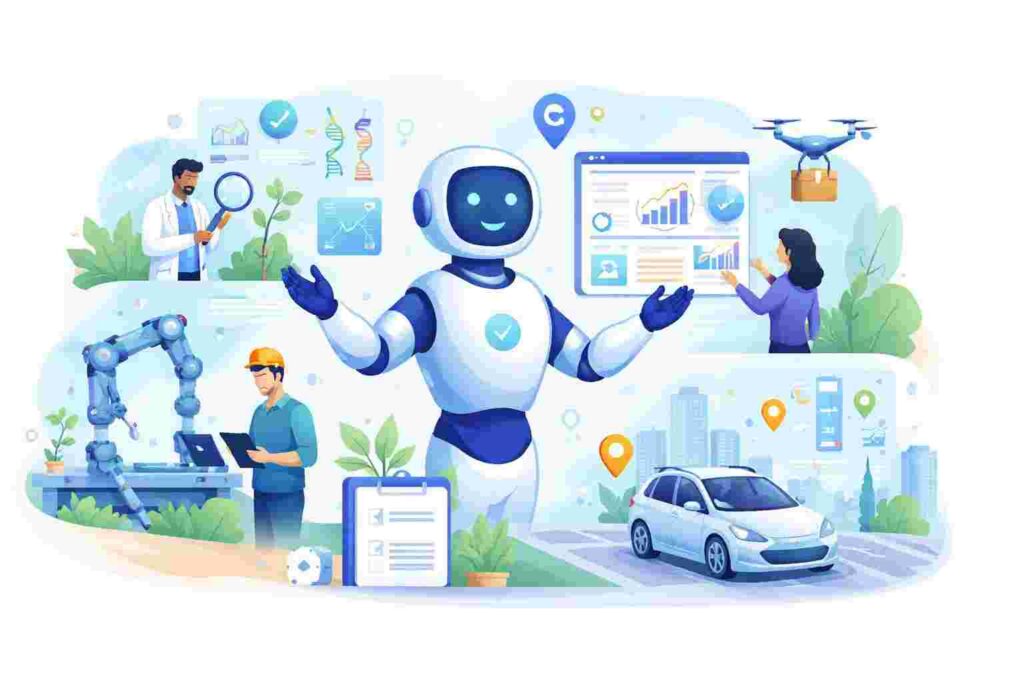
In a world increasingly driven by technology, Agentic AI applications have emerged as a pivotal force impacting various sectors. As we delve deeper into the digital age, understanding the significance of Agentic AI becomes imperative for organizations striving to innovate and enhance operational efficiency. This article will explore the foundational concepts, technical underpinnings, and real-world applications of Agentic AI, highlighting its transformative potential in today’s landscape.
Foundational Concepts of Agentic AI
Before diving into the intricate workings of Agentic AI, it is essential to establish a firm understanding of its foundational concepts and principles.
Definition of Agentic AI
Agentic AI refers to a class of artificial intelligence systems that possess the capability to make autonomous decisions based on real-time data analysis and learning. Unlike traditional AI, which often requires human intervention to function effectively, Agentic AI operates on self-learning algorithms and can independently navigate complex environments, empowering it to optimize processes across various domains.
Key Components of Agentic AI
- Autonomous Decision-Making
- Real-Time Data Processing
- Self-Learning Algorithms
- Adaptability to Environment
- User-Centric Design
Differences Between Agentic AI and Traditional AI
The distinction between Agentic AI and traditional AI hinges on the level of autonomy and decision-making capabilities. Traditional AI systems primarily function within predefined parameters and require human input for adjustments. In contrast, Agentic AI solutions are designed to not only learn from vast amounts of data but also to act independently, leading to enhanced efficiency and less human dependence.
The Technical Mechanisms of Agentic AI
Understanding the technical aspects of Agentic AI is crucial for grasping how these systems operate and achieve their goals.
Machine Learning Algorithms
Agentic AI predominantly employs machine learning algorithms, which enable it to analyze vast datasets and identify patterns. Techniques such as supervised learning, unsupervised learning, and reinforcement learning are crucial for the self-improving nature of these systems. These algorithms empower Agentic AI to evolve over time, enhancing its predictive capabilities and decision-making processes.
Natural Language Processing in Agentic AI
Natural Language Processing (NLP) is another essential component, allowing Agentic AI to understand and interpret human language. This capability facilitates communication between the AI system and users, making it indispensable for applications that involve human interaction. Through NLP, Agentic AI can extract meaningful insights from textual data, enhancing its ability to provide customer support or analyze market trends.
Neural Networks and Deep Learning Applications
Neural networks, particularly deep learning models, play a significant role in the functioning of Agentic AI. These architectures mimic the human brain’s neuron structure, enabling AI systems to learn complex patterns and representations. With layers of neurons, deep learning models can process high-dimensional data, making them suitable for applications such as image recognition, speech processing, and more.
Business Impact of Agentic AI in Various Industries
The implications of Agentic AI extend across numerous industries, revolutionizing operations and driving substantial improvements.
Healthcare
In healthcare, Agentic AI applications enhance diagnostics, patient care, and operational efficiency. For instance, AI-powered systems can analyze medical imaging data to identify abnormalities faster than traditional methods, dramatically improving patient outcomes.
Financial Services
In finance, institutions leverage Agentic AI for fraud detection and risk management. By analyzing transaction patterns in real-time, these systems can flag suspicious activities, minimizing losses and improving security.
Retail
Within retail, Agentic AI transforms inventory management, personalized marketing, and customer service. AI algorithms predict consumer behavior, enabling retailers to optimize stock levels and tailor promotions effectively.
Manufacturing
Agentic AI facilitates predictive maintenance in manufacturing, reducing downtime and prolonging equipment lifespan. By analyzing machine performance data, manufacturers can preemptively address issues, ensuring smoother operations.
Transportation
In the transportation sector, Agentic AI enhances logistics and fleet management. AI algorithms optimize routes in real-time, reducing fuel consumption and improving delivery times. Autonomous vehicles, a growing sector of Agentic AI, are set to revolutionize how goods and people move.
Strategic Advantages of Implementing Agentic AI
Enterprises that integrate Agentic AI into their operations can expect several strategic advantages that can enhance productivity and foster innovation.
Increased Operational Efficiency
- Automation of Routine Tasks
- Reduction in Human Error
- Streamlined Workflows
- Continuous Performance Improvement
- Cost Savings through Efficiency
Enhanced Customer Engagement
Organizations employing Agentic AI experience improved customer engagement through personalized experiences and timely interaction. By analyzing customer data and preferences, AI can tailor recommendations and support services to individual users, significantly enhancing satisfaction and loyalty.
Data-Driven Decision Making
Agentic AI empowers companies to make informed decisions backed by comprehensive data analysis. With the ability to process vast datasets quickly, businesses can derive valuable insights, facilitating strategic planning and resource allocation.
Limitations and Risk Considerations in Agentic AI
As with any technology, the implementation of Agentic AI presents certain challenges and ethical considerations that organizations must address.
Data Privacy Issues
- Compliance with Data Protection Regulations
- Management of Sensitive Information
- Transparency in Data Usage
- Risks of Data Breaches
- Public Trust and Perception
Bias in AI Algorithms
Algorithmic bias is a significant concern. If the data used to train AI systems is skewed, it can lead to unfair outcomes and exacerbate existing societal disparities. Ensuring diverse data representation is crucial for ethical AI deployment.
Dependence on Technology
Organizations may become overly reliant on AI systems, which can pose risks during operational failures or cyber-attacks. Balancing automation with human oversight is essential to mitigate potential vulnerabilities.
Comparison of Agentic AI with Other AI Technologies
Conducting a comparative analysis of Agentic AI against other AI variations assists organizations in understanding their options better.
Table: Agentic AI vs. Traditional AI
| Feature | Agentic AI | Traditional AI |
|---|---|---|
| Decision Making | Autonomous | Dependent on Human Input |
| Learning Ability | Continuous and Adaptive | Static Updates |
| Data Processing | Real-Time | Scheduled or Batching |
| User Interaction | Natural Language Understanding | Limited Interaction |
| Applications | Wide Scope | Specific Use Cases |
Agentic AI vs. Reinforcement Learning
While both Agentic AI and reinforcement learning exhibit autonomous learning capabilities, Agentic AI encompasses a broader range of functionalities, including natural language processing and decision-making across varied contexts. Reinforcement learning focuses primarily on optimizing specific behaviors through reward systems, making it more limited in application scope compared to the adaptable nature of Agentic AI.
Future AI Technologies Comparison
As the technological landscape evolves, emerging AI technologies will likely build upon the principles established by Agentic AI, incorporating greater levels of autonomy and human-like processing capabilities. Continuous advancements in quantum computing and neuromorphic systems are anticipated to shape the future trajectory of AI technologies, thus impacting Agentic AI development.
Statistics and Market Trends of Agentic AI Adoption
Understanding market trends and statistics regarding Agentic AI adoption provides insight into its growing influence across industries.
Adoption Rate Statistics (2023)
Recent studies indicate that the adoption rate of Agentic AI technologies has surged, with an estimated 42% of companies implementing some form of Agentic AI solution in 2023. This rapid increase highlights the growing recognition of its potential to drive organizational transformation and efficiency.
Projected Market Growth (2025)
According to market analysts, the global Agentic AI market is projected to reach $126 billion by 2025, reflecting a CAGR (Compound Annual Growth Rate) of over 30%. This significant growth underscores the increasing investment in and reliance on advanced AI technologies across all sectors.
Investment Trends in Agentic AI
- Venture Capital Funding Increased by 50% in Latest Year
- Corporate Investments in AI Startups Surged
- Increased Collaboration Between Tech Giants and Startups
- Marked Growth in Research and Development in AI
- Emergence of New AI Solutions Targeting Niche Markets
Real-World Case Studies of Agentic AI Implementation
Examining real-world case studies can illustrate the transformative effects of Agentic AI in various organizations.
Case Study 1: Healthcare Improvement Metrics
In one healthcare institution, implementing an Agentic AI-driven diagnostic tool resulted in a 30% reduction in diagnosis time and improved accuracy by 25%, ultimately leading to better patient outcomes and satisfaction levels.
Case Study 2: Financial Fraud Detection Results
A major bank adopted Agentic AI for fraud detection, achieving a 40% reduction in false positives and saving approximately $10 million annually through improved security measures and faster response times.
Case Study 3: Retail Sales Growth after AI Integration
A retail chain utilizing Agentic AI for inventory management and personalized marketing saw a 28% increase in sales within a year and reduced stock discrepancies by 35%, showcasing the technology’s vast potential in enhancing profitability.
Future Outlook for Agentic AI
The outlook for Agentic AI appears promising, with numerous advancements on the horizon that could redefine its applications.
Emerging Trends in Agentic AI
- Increased Focus on Ethical AI
- Advancements in AI Explainability
- Integration with Augmented and Virtual Reality
- Development of AI-powered Autonomous Systems
- Greater Collaboration Between Humans and AI
Potential New Industries for AI Integration
As Agentic AI continues to evolve, it is likely to penetrate new industries, such as agriculture and education, by optimizing processes, improving productivity, and delivering personalized experiences to users in those sectors.
Ethical Considerations Moving Forward
As the capabilities of Agentic AI expand, ethical considerations must remain at the forefront. Organizations will need to prioritize transparency, accountability, and fairness in AI operations to build public trust and address societal impacts effectively.
Frequently Asked Questions about Agentic AI
What is Agentic AI?
Agentic AI refers to advanced AI systems capable of making autonomous decisions. Unlike traditional AI, these systems can analyze data in real-time and adapt to changing circumstances without human intervention, significantly impacting various industries.
How does Agentic AI differ from traditional AI?
The primary difference between Agentic AI and traditional AI lies in their operation. Traditional AI requires explicit programming and human oversight to function effectively, while Agentic AI utilizes self-learning algorithms that allow it to evolve and adapt proactively. This autonomy enhances its applicability across a broader spectrum of applications.
What are the main applications of Agentic AI?
Agentic AI has diverse applications in various sectors. In healthcare, it streamlines diagnostics; in finance, it enhances fraud detection; and in retail, it optimizes customer engagement. Its versatility makes it a valuable tool for organizations aiming to improve efficiency and innovation.
What industries benefit most from Agentic AI?
Industries such as healthcare, finance, retail, manufacturing, and transportation have witnessed substantial benefits from Agentic AI applications. Each sector utilizes the technology to enhance operational efficiency, improve client interactions, and drive cost savings via automated processes.
What should businesses consider before adopting Agentic AI?
Before implementing Agentic AI, businesses should evaluate data privacy implications, assess algorithmic biases, and ensure alignment with organizational goals. Additionally, a thorough understanding of potential limitations is crucial to selecting appropriate technological solutions that align with strategic objectives.
What are the ethical implications of Agentic AI?
The ethical implications of Agentic AI include concerns over bias in AI algorithms, data privacy issues, and the potential for over-reliance on technology. Organizations must proactively address these concerns through ethical practices, transparent data handling, and regular audits to ensure the responsible use of AI technologies.
Conclusion on the Importance of Agentic AI
In conclusion, the importance of Agentic AI in reshaping industries cannot be overstated. With its unique capacity for autonomous decision-making, real-time adaptability, and significant operational efficiency improvements, Agentic AI is poised to drive the next wave of technological innovation. Organizations embracing Agentic AI solutions will likely emerge as leaders in their fields, ready to harness the potential of this transformative technology.