In today’s rapidly evolving technological landscape, understanding the distinctions between different types of Artificial Intelligence (AI) is essential. This article delves into the intriguing differences between Agentic AI and Generative AI, providing a comprehensive guide that not only clarifies their definitions but also explores their applications, benefits, limitations, and future trends.
Fundamental Principles of AI
To comprehend the nuances of Agentic AI and Generative AI, we must first establish a solid foundation in the principles of AI.
Definition of AI
Artificial Intelligence encompasses systems designed to perform tasks that typically require human intelligence. These tasks may include learning, reasoning, problem-solving, perception, and language understanding.
Overview of Agentic AI
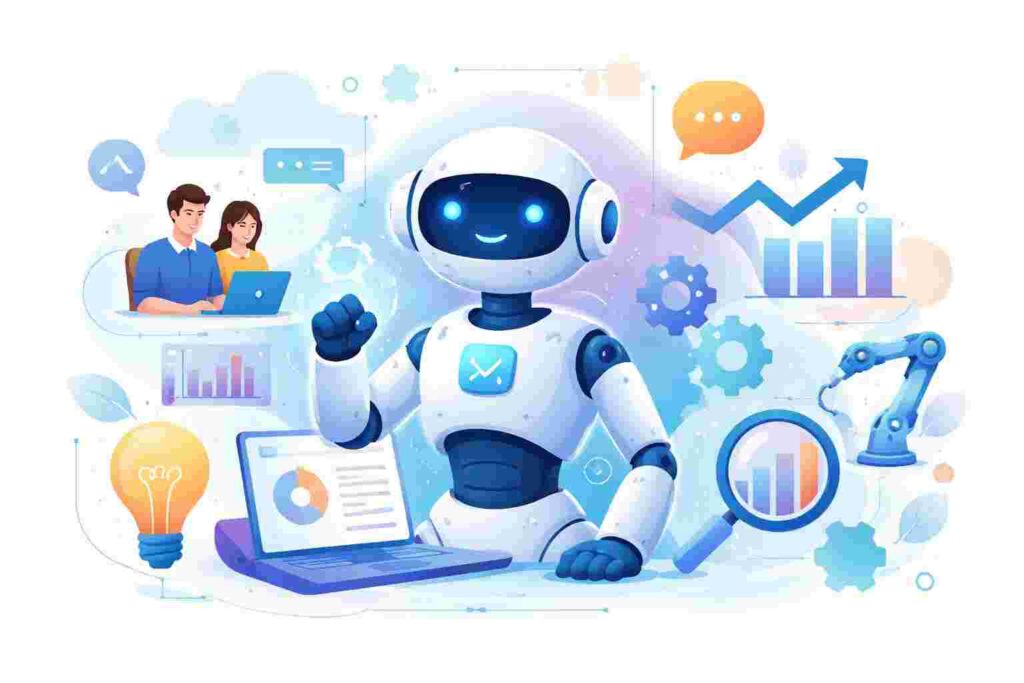
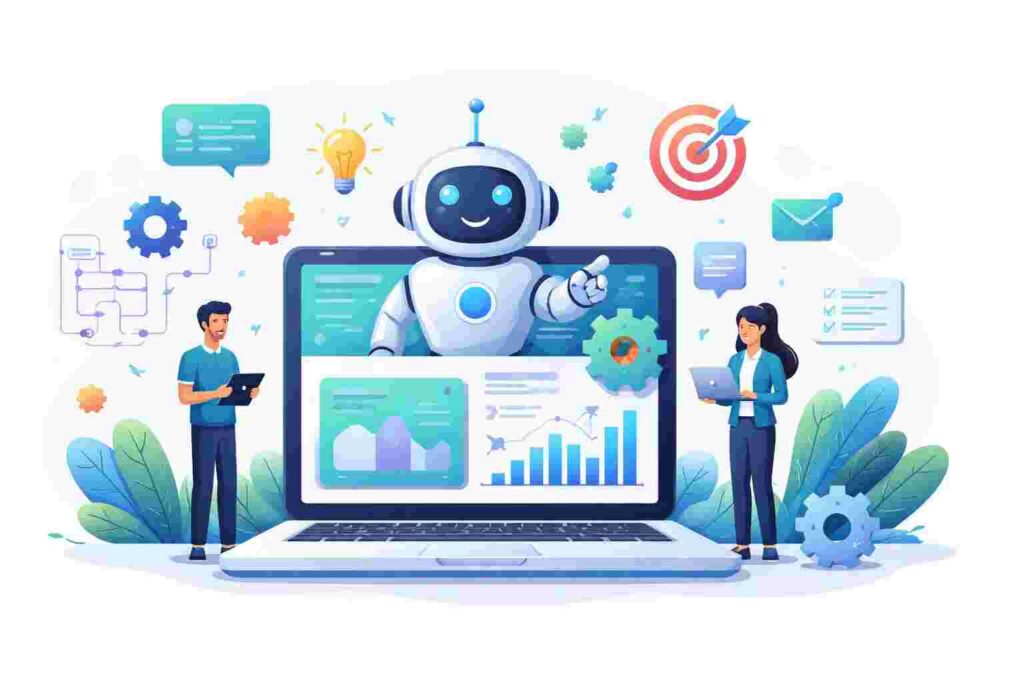
Agentic AI refers to AI systems that operate autonomously and make decisions based on a given set of data and objectives. They possess goal-oriented capabilities, allowing them to adapt and optimize their functions based on environmental feedback.
Overview of Generative AI
In contrast, Generative AI focuses on creating content from scratch or enhancing existing data. Utilizing advanced algorithms, it can produce text, images, music, and even video sequences, often mimicking human creative processes.
Key Traits of Agentic AI
- Autonomy in decision-making
- Learning from interactions and experiences
- Goal-oriented behavior
- Adaptive to changing environments
- Feedback incorporation for improved performance
Key Traits of Generative AI
- Creation of new and unique content
- Utilization of training data to generate outputs
- Application of neural networks for generation tasks
- Capacity for creativity across various media formats
- Facilitation of human-like interactions in content
Core Mechanisms of Agentic and Generative AI
Diving deeper into the technical aspects, we will explore the underlying mechanisms that differentiate Agentic AI from Generative AI.
Machine Learning Techniques
Both Agentic and Generative AI employ machine learning, but the techniques applied vary significantly. Agentic AI often utilizes supervised learning, while Generative AI may use unsupervised learning to identify patterns in data.
Natural Language Processing
Natural Language Processing (NLP) forms the backbone of many AI applications. Agentic AI uses NLP for interpreting commands and making decisions, whereas Generative AI employs it to produce coherent and contextually relevant text.
Reinforcement Learning in Agentic AI
Agentic AI frequently leverages reinforcement learning, where agents learn optimal actions through rewards or penalties. This mechanism facilitates continual learning and adaptation to new tasks.
Generative Adversarial Networks
Generative AI often employs Generative Adversarial Networks (GANs) which consist of two neural networks: the generator and the discriminator. These networks work in tandem, allowing for the creation of highly realistic outputs by competing against each other.
Algorithmic Differences
The algorithms governing Agentic AI are generally focused on decision-making processes, while those of Generative AI emphasize content creation. This fundamental difference dictates the overall capabilities and applications of each type.
Industry Applications and Business Impact
Understanding how different industries utilize Agentic AI and Generative AI can shed light on their potential impacts and benefits in real-world scenarios.
Healthcare Innovations
- Agentic AI powering diagnostic systems for accurate disease detection
- Generative AI assisting in drug discovery through molecular generation
- Personalized medicine optimizations via data analysis
- Healthcare robots functioning in patient assistance roles
- AI-driven telemedicine improving patient engagement
Finance and Risk Management
- Real-time fraud detection leveraging Agentic AI
- Generative AI forecasts market trends from historical data
- Risk assessment models enhancing investment strategies
- Algorithmic trading systems optimizing transaction efficiency
- Customer service chatbots improving client interactions
Marketing and Customer Engagement
- Agentic AI targeting audience segmentation for tailored campaigns
- Generative AI creating personalized content and recommendations
- Chatbots improving customer service and support effectiveness
- Automated analytics tools driving data-based decisions
- Enhanced user experiences through AI-driven insights
Manufacturing Automation
- Agentic AI optimizing production line efficiency and scheduling
- Predictive maintenance through real-time data analysis
- Generative AI designing prototypes and product variations
- Supply chain optimization using AI forecasts
- Workplace safety improvements through AI monitoring systems
Entertainment and Media
- Agentic AI driving personalized streaming recommendations
- Generative AI producing music and movie scripts
- Content curation based on viewer preferences
- Interactive gaming experiences enhanced by AI
- Deepfakes and realistic avatars generated through AI
Strategic Advantages of Utilizing AI
Implementing Agentic and Generative AI in organizations can yield significant strategic benefits, impacting overall performance and productivity.
Cost Efficiency
- Reduction in human labor for repetitive tasks
- Streamlined operations lowering operational costs
- Automated systems reducing the risk of human error
- Enhanced productivity leading to better resource allocation
Enhanced Decision-Making
- Data-driven insights supporting strategic choices
- Real-time analysis for timely decision-making
- Predictive modeling aiding in risk mitigation
- Improved accuracy and speed of processing information
Scalability and Flexibility
- Able to handle larger datasets as businesses grow
- Easy integration with existing systems
- Tailored solutions that evolve with company needs
- Rapid deployment boosting responsiveness
Creativity and Content Creation
- Generative AI producing diverse creative content
- AI-assisted brainstorming enhancing human creativity
- Automated design processes improving marketing efforts
- Market differentiation through unique AI-generated assets
Competitive Edge in Technology
- Early adoption of AI technologies elevating market position
- Utilization of AI insights for strategic advantage
- Building a tech-savvy brand that attracts top talent
- Strengthened customer loyalty fostered by AI personalization
Limitations and Risk Factors in AI Implementation
Despite the numerous advantages, implementing Agentic and Generative AI comes with its own set of limitations and risks that must be carefully evaluated.
Ethical Concerns
With the power of AI comes responsibility. Ethical issues arise around bias in training data, the potential for manipulation, and the broader societal impact of autonomous systems. It is vital for organizations to instill ethical guidelines in AI deployment.
Reliability and Accountability
As AI systems make decisions, the question of accountability becomes paramount. Ensure transparent processes and clarity on who is responsible for AI actions, particularly in high-stakes environments.
Data Privacy Issues
Handling vast amounts of personal data raises privacy concerns. Organizations must prioritize data protection and compliance with regulations such as GDPR to build trust with customers.
Bias and Fairness in AI
Bias in AI can lead to unfair treatment of individuals and groups. It is essential to use diverse datasets for training and continuously monitor AI systems for equitable performance.
Security Vulnerabilities
AI systems can be susceptible to hacking and other forms of cyber threats. Implementing robust security measures is necessary to mitigate potential breaches and protect sensitive information.
Comparative Analysis of Agentic AI vs Generative AI
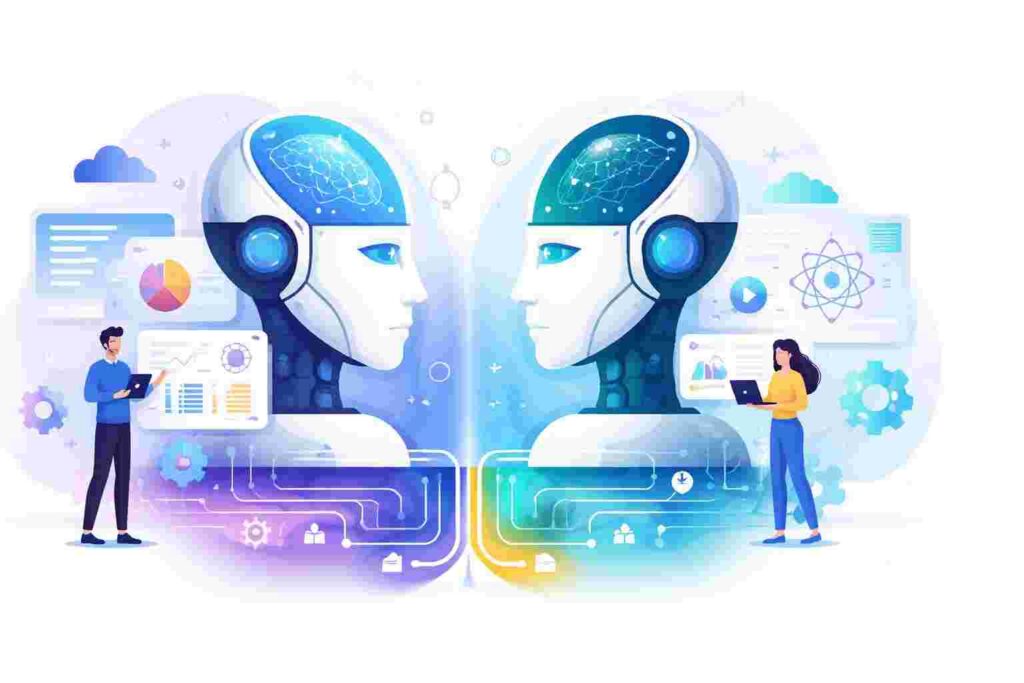
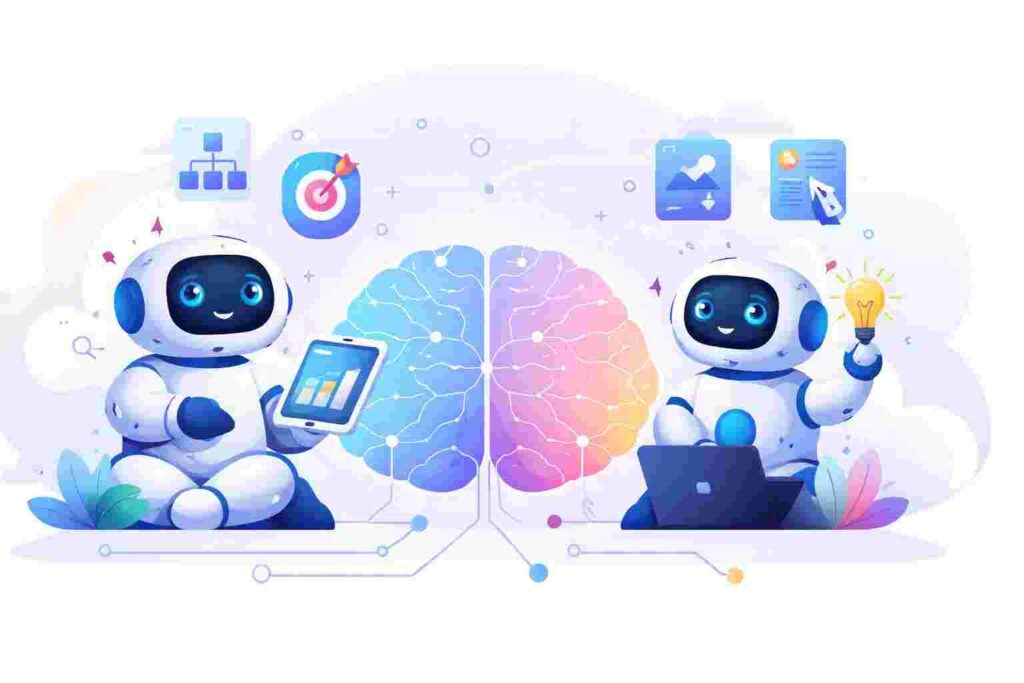
To provide a thorough comparison, we can evaluate some key aspects of Agentic AI and Generative AI in the following table:
| Aspect | Agentic AI | Generative AI |
|---|---|---|
| Primary Function | Decision-making and autonomous operation | Content creation and enhancement |
| Learning Approach | Reinforcement learning | Unsupervised learning |
| Application Areas | Autonomous systems, robotics | Creative industries, media |
| Strengths | Resource efficiency, goal orientation | Creativity, innovation in content |
| Weaknesses | Ethical concerns, accountability issues | Bias in generated content, dependency on training data |
Statistics and Market Trends in AI
The AI landscape is continuously evolving, with significant market growth and adoption across various sectors. Here are some compelling statistics:
Market Growth Projections
The global artificial intelligence market is projected to grow from $136.55 billion in 2022 to $1.811 trillion by 2030, reflecting an extraordinary compound annual growth rate (CAGR) of 33.2% during the forecast period. This growth is driven by increased investment in AI technologies and their application across numerous industries.
Investment Trends
Investment in AI startups has surged, with over $33 billion raised in 2021 alone, underscoring the robust demand for innovative AI solutions. Major corporations, including Google and Microsoft, have significantly contributed to this wave of investment.
Adoption Rates by Industry
According to recent surveys, 37% of organizations reported adopting AI in some form, indicating increasing recognition of AI’s strategic value across various sectors, from healthcare to finance.
User Engagement Statistics
An overwhelming 60% of consumers are willing to share their data with AI-driven brands, as they see potential benefits in personalized services and recommendations.
Global Spending on AI Technologies
Global spending on AI technologies is expected to reach $500 billion by 2024, illustrating the significant financial commitment organizations are making to integrate AI into their operations.
Real-World Case Studies of AI Applications
Exploring real-world examples helps illustrate the impacts and outcomes of Agentic and Generative AI applications.
Case Study: AI in Healthcare
Before AI implementation, a healthcare provider faced a diagnostic error rate of 20%. After adopting Agentic AI for diagnostic assistance, the error rate dropped to 5%, significantly enhancing patient outcomes and trust in their services.
Case Study: AI in Marketing
A digital marketing agency used Generative AI to automate content creation for social media campaigns. Originally taking an average of 40 hours of labor per month, the AI solution reduced this time to just 10 hours, enabling the team to focus on strategy and creative development.
Case Study: AI in Customer Support
A major e-commerce platform utilized Agentic AI-powered chatbots, decreasing customer service response times from 24 hours to just 2 minutes. The implementation improved customer satisfaction ratings significantly.
Case Study: AI for Product Development
A tech company leveraged Generative AI to assist in designing a new smartphone. Initial concepts took months to develop, but with AI involvement, they generated prototypes in weeks, accelerating their time-to-market.
Case Study: AI in Autonomous Systems
A logistics company implemented Agentic AI in their warehouse management systems, reducing operational costs by 15% due to enhanced inventory management and predictive demand analytics.
The Future of Agentic AI and Generative AI
As AI technology continues to advance, so too will the capabilities and applications of both Agentic and Generative AI. In this section, we will explore anticipated trends and advancements that may shape the future of AI.
Emerging Technologies
Next-generation models and frameworks are expected to emerge, improving the ability of AI to learn and adapt. Quantum computing may revolutionize AI processing capabilities, enabling more sophisticated and rapid calculations.
Future Ethical Considerations
As AI systems become more autonomous, it will be imperative to address the ethical considerations surrounding decision-making, bias, and accountability. The establishment of robust ethical frameworks for AI deployment will be crucial.
Predicted Market Changes
The AI market is likely to experience further segmentation, with niche applications becoming more prominent. Companies may begin focusing on specialized solutions tailored to specific industry needs.
Integration with Other Technologies
AI is expected to integrate seamlessly with other emerging technologies, such as blockchain and Internet of Things (IoT), delivering enhanced functionality and value across sectors.
Long-Term Viability
As businesses increasingly rely on AI, the long-term viability of Agentic and Generative AI will depend on consistent innovation, addressing user concerns, and adapting to the evolving technological ecosystem.
Frequently Asked Questions about Agentic and Generative AI
What is the primary use of Agentic AI?
Agentic AI primarily serves to enhance decision-making processes and automate tasks requiring autonomous operation. It efficiently processes data to provide actionable insights and facilitate complex decision-making without human intervention.
How does Generative AI affect content creation?
Generative AI significantly influences content creation by automating the writing, designing, and composing processes. This allows organizations to generate high-quality content rapidly while reducing labor costs, ultimately resulting in increased productivity.
What are the ethical implications of AI?
The ethical implications of AI are multifaceted and revolve around issues of bias, accountability, and privacy. As AI systems make autonomous decisions, ensuring fairness and compliance with ethical standards becomes crucial in maintaining public trust and integrity.
Can Agentic AI replace human decision-making?
While Agentic AI can enhance decision-making efficiency, it cannot entirely replace human judgment and intuition. Complex scenarios often require human insight and contextual awareness, which AI alone may lack.
What industries benefit the most from Generative AI?
Generative AI finds applications in creative sectors, including marketing, media, and entertainment. Industries that benefit significantly include content creation, product design, and advertising, leveraging AI for unique and tailored outputs.
How do I choose between Agentic and Generative AI for my business?
Choosing between Agentic and Generative AI depends on your organization’s needs. If decision-making and automation are the primary objectives, Agentic AI is preferable. Conversely, if content creation and creativity are critical, Generative AI is the ideal choice.
Conclusion: Navigating the Future of AI
In conclusion, understanding the differences between Agentic AI and Generative AI is crucial for leveraging their respective advantages in the evolving landscape of artificial intelligence. As organizations navigate this complex field, they must consider the implications, challenges, and opportunities that AI presents to remain competitive and innovative.