
Introduction
In the rapidly evolving landscape of software development, Agentic AI has emerged as a pivotal player. This technology demonstrates a profound capability to make decisions autonomously, thus revolutionizing traditional paradigms of software application. Understanding the concept of Agentic AI—including its origins and practical implications—is essential for anyone engaged in modern software development. This article delves deep into the significance of Agentic AI, covering critical concepts, technical underpinnings, business impacts, and future prospects.
Table of Contents
Foundational Concepts of Agentic AI
Before delving into the complexities of Agentic AI, it is crucial to define what it is and trace its historical development.
Definition of Agentic AI
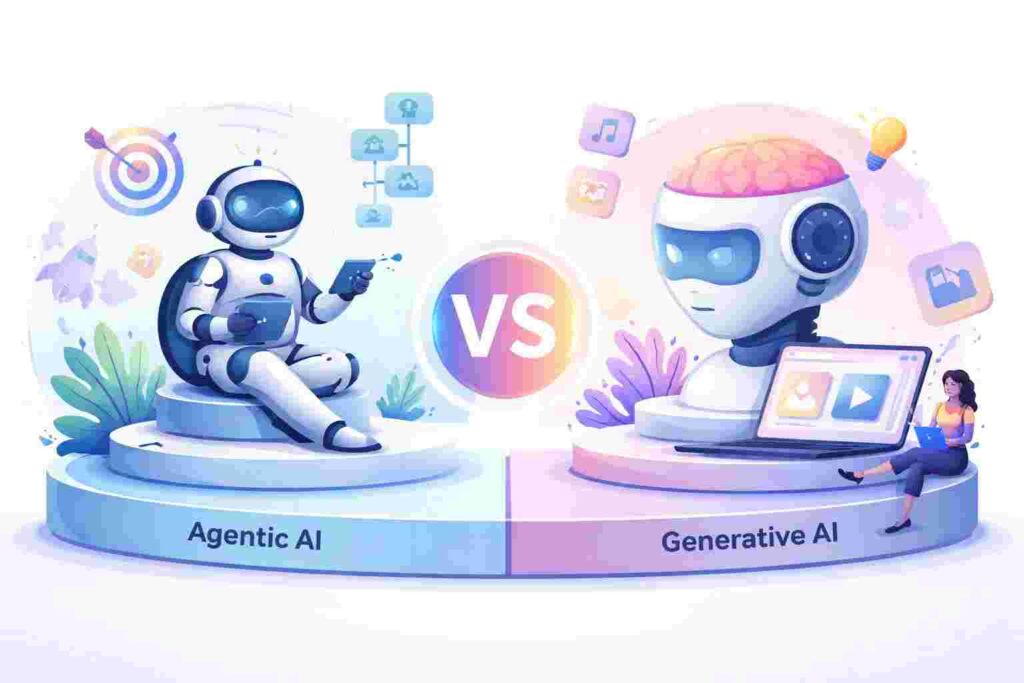
Agentic AI refers to artificial intelligence systems that exhibit autonomy in decision-making processes. Unlike traditional AI, which typically follows a rule-based structure, Agentic AI systems can learn from their environment and adapt accordingly, allowing them to operate independently in dynamic situations.
History and Evolution
The roots of Agentic AI can be traced back to the earliest explorations of artificial intelligence, dating from the mid-20th century. Early developments focused primarily on symbolic reasoning and rule-based systems. As machine learning gained traction in the late 20th and early 21st centuries, AI systems began evolving towards greater autonomy, ultimately leading to the capabilities seen in modern Agentic AI.
Key Features and Characteristics
- Autonomy: Operates independently by making decisions without human intervention.
- Adaptability: Learns from previous experiences and adjusts its responses accordingly.
- Intentionality: Pursues specific goals or objectives, often over prolonged interactions.
- Interactivity: Engages with users or other systems to refine decision-making processes.
- Scalability: Can be integrated across various platforms and applications, enhancing utility.
The Technical Mechanisms Behind Agentic AI
Understanding how Agentic AI operates requires a glimpse into the technologies and algorithms that empower its capabilities.
Machine Learning Algorithms
Agentic AI is underpinned by various machine learning algorithms that facilitate its learning processes. These algorithms, including supervised, unsupervised, and reinforcement learning, enable systems to develop predictive models from data and derive actionable insights.
Natural Language Processing
Natural Language Processing (NLP) is critical for Agentic AI, especially in applications requiring human interaction. By utilizing NLP technologies, these systems can interpret and generate human language, enhancing communication in complex scenarios.
Autonomous Decision-Making Frameworks
At the core of Agentic AI’s functionality are autonomous decision-making frameworks. These frameworks leverage complex algorithms that simulate human cognition, thereby enabling the system to evaluate various options and select the most beneficial course of action based on contextual data.
Business Impact of Agentic AI Across Industries
As organizations increasingly integrate Agentic AI into their operations, its transformative effects are becoming evident across various sectors.
Healthcare Innovations
In healthcare, Agentic AI is enhancing diagnostic processes, personalizing treatment plans, and improving patient outcomes. For instance, AI-based systems can analyze vast datasets of patient information to identify potential health risks, facilitating proactive interventions.
Financial Services Enhancements
In the financial sector, Agentic AI enables more sophisticated fraud detection mechanisms, optimizing risk management processes. By continuously analyzing transactions, these systems can pinpoint unusual patterns that indicate fraudulent activity with a high level of accuracy.
Retail Optimization
Agentic AI has significantly impacted retail by personalizing customer experiences and managing inventory in real-time. AI applications can predict customer preferences based on past behaviors, allowing retailers to tailor their offerings effectively.
Manufacturing Efficiency
In manufacturing, Agentic AI is driving efficiency by optimizing production lines and predictive maintenance. By analyzing machine performance data, AI can anticipate issues before they arise, reducing downtime and costly repairs.
Strategic Advantages of Implementing Agentic AI
The strategic deployment of Agentic AI can confer numerous advantages, resulting in tangible benefits for organizations.
Improving Operational Efficiency
One of the most significant impacts of Agentic AI is the enhancement of operational efficiency. Automating routine tasks allows employees to focus on higher-value activities, resulting in increased productivity.
Enhancing Customer Experience
Agentic AI excels in refining customer interactions by providing tailored responses and recommendations. This personalized engagement fosters customer loyalty and improves satisfaction rates.
Driving Innovation
With its capacity to analyze complex data sets, Agentic AI encourages innovation by uncovering patterns and insights previously hidden. This capability allows organizations to pivot quickly in response to market trends.
Limitations and Risk Considerations of Agentic AI
While the potential benefits of Agentic AI are substantial, there are important limitations and risks that organizations must consider.
Ethical Concerns
The ethical implications of deploying autonomous systems raise crucial questions about accountability and decision-making. There is ongoing debate regarding who is responsible for the actions taken by AI, particularly in high-stakes situations.
Data Privacy Issues
Data privacy remains a paramount concern as Agentic AI systems often require access to sensitive personal information for optimal functioning. Organizations need to ensure robust data protection mechanisms are in place to comply with regulations and safeguard user data.
Reliability and Accuracy Challenges
Although Agentic AI systems are designed to make informed decisions, the reliance on data quality can introduce reliability issues. Inaccurate data input can lead to erroneous outcomes, potentially causing significant impacts on stakeholders.
Comparative Evaluation of Agentic AI Solutions
As the market for Agentic AI expands, organizations are presented with a myriad of solutions. A careful evaluation can help in selecting the best fit.
Feature Comparison Table
| Solution | Key Features | Cost | User Rating (0-5) |
|---|---|---|---|
| AI Platform A | Customizable algorithms, High-quality NLP, Scalable architecture | $20,000/year | 4.7 |
| AI Platform B | Automated reporting, Integrative capabilities, Enhanced data protection | $15,000/year | 4.5 |
| AI Platform C | Robust analytics, Multi-lingual support, Real-time adaptation | $25,000/year | 4.8 |
| AI Platform D | AI-driven insights, 24/7 support, API access | $18,000/year | 4.6 |
| AI Platform E | Deep learning integration, Advanced security features, Cloud-based | $22,000/year | 4.7 |
Cost-Benefit Analysis
Organizations must conduct thorough cost-benefit analyses when considering various Agentic AI solutions. These analyses should account for initial investment, maintenance costs, and the anticipated return in productivity and efficiency.
Performance Metrics
Performance metrics are crucial for assessing the effectiveness of any Agentic AI solution. Key metrics include accuracy, response time, and user satisfaction scores, which can help organizations gauge the success of their implementation.
Statistics and Market Trends for Agentic AI
The landscape of Agentic AI is shaped by dynamic market trends. Recent reports indicate significant growth in the sector.
Market Growth Projections
According to a report by MarketsandMarkets, the global AI market is expected to grow from $58.3 billion in 2021 to $190.61 billion by 2025, reflecting a compound annual growth rate (CAGR) of 20.1%. This growth underscores the increasing relevance and demand for AI technologies, including Agentic AI.
Adoption Rates in Various Industries
A survey conducted by Deloitte indicates that approximately 80% of organizations have begun integrating some form of AI into their operations. Industries such as healthcare (70%), finance (65%), and retail (60%) see the highest adoption rates, driving the continuous evolution of Agentic AI technologies.
Investment Trends in Agentic AI
Investment in Agentic AI is on the rise. According to a 2023 report by Statista, U.S. investments in AI technologies reached over $25 billion, signaling a robust interest and commitment to leveraging these technologies for future growth.
Real-World Case Studies of Agentic AI Implementation
To fully appreciate the impact of Agentic AI, examining real-world examples can provide valuable insights.
Case Study: Healthcare AI
A leading healthcare provider implemented an Agentic AI solution to enhance patient diagnosis. Before its application, the diagnostic process averaged 10 days. After implementing AI, the average time was reduced to just 3 days, significantly improving patient outcomes and operational efficiency.
Case Study: Retail Transformation
A prominent retail chain adopted Agentic AI to enhance inventory management. Prior to implementation, stock-outs were common, occurring in 30% of transactions. Post-implementation, stock-outs dropped to 5%, resulting in increased sales and customer satisfaction.
Case Study: Finance and Security
A financial institution integrated an AI-driven solution to detect fraudulent transactions. Initially, the organization faced a 3% fraud rate. With AI, this rate was reduced to below 0.5%, showcasing significant risk management improvements.
Future Outlook of Agentic AI in Software Development
As we look ahead, the potential for Agentic AI remains expansive, yet it is accompanied by challenges that must be addressed.
Emerging Technologies
Future advancements in quantum computing and biotechnology could propel Agentic AI capabilities to new heights, enabling even more complex decision-making processes and novel applications.
Future Challenges
Despite its promise, Agentic AI may confront challenges regarding public perception, regulatory concerns, and the need for ethical frameworks. Addressing these challenges will be crucial for sustained growth and acceptance.
Regulatory Landscape
Governments worldwide are beginning to draft regulations governing AI technologies. As these regulations evolve, organizations must stay updated to ensure compliance while benefiting from technological advancements.
Frequently Asked Questions About Agentic AI
What is Agentic AI?
Agentic AI refers to autonomous AI systems that can make decisions independently, learning from their environment to adapt actions effectively. These systems are designed to carry out objectives without continuous human intervention, signifying a shift in how AI is applied across various domains. This autonomy allows for more efficient processing of information and quicker decision-making.
How does Agentic AI differ from traditional AI?
Traditional AI systems operate on predefined rules and often require human supervision. In contrast, Agentic AI possesses self-learning capabilities, allowing it to modify its behavior based on environmental feedback and experiences. This significant distinction enables Agentic AI to perform more complex tasks and respond to unforeseen circumstances more effectively.
What industries benefit the most from Agentic AI?
Agentic AI holds transformative potential for numerous industries, including healthcare, finance, retail, and manufacturing. In healthcare, it can enhance diagnostics and patient care. In finance, it can optimize risk management and fraud detection. Retailers benefit from personalized marketing and inventory management, whereas manufacturers can streamline production processes and enhance maintenance.
What are the ethical implications of Agentic AI?
The deployment of Agentic AI raises fundamental ethical questions about accountability, transparency, and bias. As these systems make autonomous decisions, determining responsibility in case of errors or misjudgments becomes critical. Furthermore, transparency in how decisions are made and data is utilized is essential for ethical AI implementation.
How do businesses assess the ROI of Agentic AI?
Assessing the ROI of Agentic AI involves analyzing productivity gains, cost reductions, and improvements in customer satisfaction. Businesses should develop key performance indicators (KPIs) to measure these metrics effectively, ensuring that the benefits of implementing AI justify the associated costs over time.
What skills are needed to work with Agentic AI?
Professionals working with Agentic AI should possess a combination of technical skills, such as machine learning, data analysis, and programming, alongside soft skills like problem-solving and communication. Understanding the ethical implications and regulatory requirements surrounding Agentic AI is also essential for effective application.
Conclusion: The Significance of Agentic AI in Modern Software
In conclusion, Agentic AI represents a revolutionary advancement in software development, offering autonomy and adaptability that traditional AI systems lack. As we continue to explore its expansive potential, it is imperative to address the accompanying ethical and practical challenges. The future landscape of technology will undoubtedly be shaped by the capabilities and implementations of Agentic AI, making it a focal point for innovation and strategic advantage in the years to come.