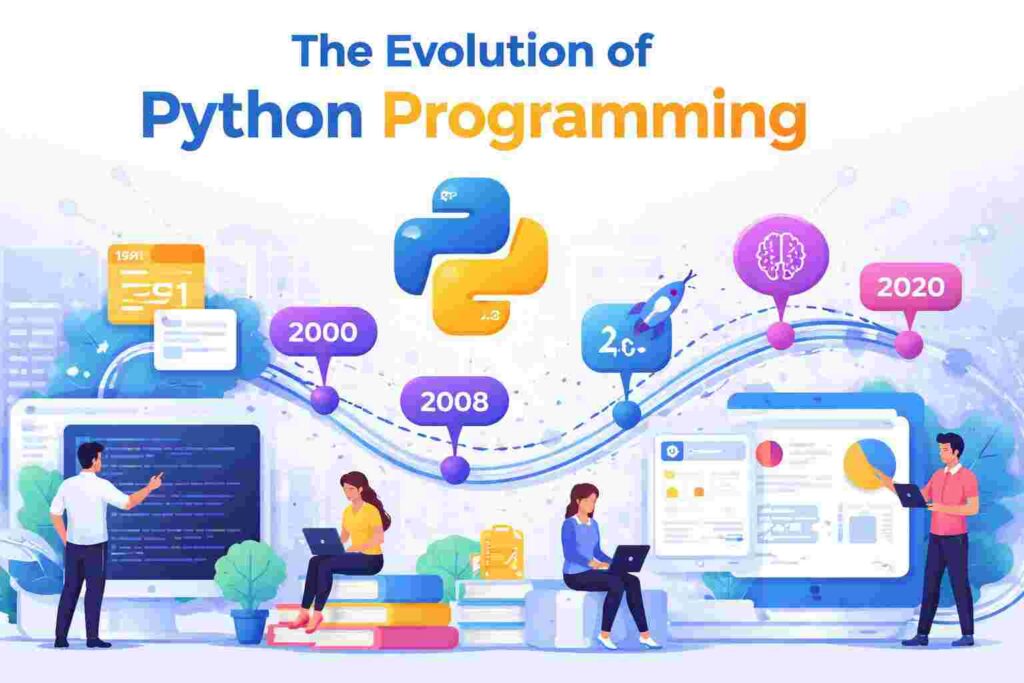
The History of Python is one of the most fascinating journeys in modern programming. What began as a small personal project in the late 1980s has grown into one of the most influential and widely used programming languages in the world.
Today, Python powers:
- Artificial Intelligence
- Web development
- Data science
- Automation
- Cybersecurity
- Scientific computing
According to the TIOBE Index and Stack Overflow Developer Survey, Python consistently ranks among the top programming languages globally.
Table of Contents
But how did it reach this level?
Let’s explore the complete History of Python through 10 powerful milestones that changed programming forever.
Python’s Design Philosophy: Why Simplicity Won

A major reason the History of Python became so impactful is its design philosophy.
Python was built around readability and simplicity. Unlike many programming languages that prioritize complexity and performance first, Python prioritized human understanding.
This philosophy is famously captured in “The Zen of Python.”
You can view it by running:
import this
Output includes principles such as:
- Beautiful is better than ugly.
- Simple is better than complex.
- Readability counts.
These principles influenced how Python evolved over decades.
Example: Clean Syntax vs Verbose Syntax
Python:
def greet(name):
    return f"Hello, {name}!"
Compared to many older languages, Python avoids excessive syntax symbols, making it easier to learn and maintain.
This simplicity became a core reason for Python’s global adoption.
The Birth of Python (Late 1980s)
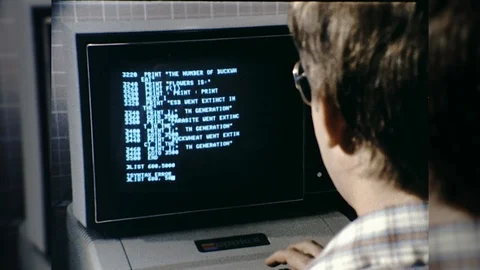
Python was created by Guido van Rossum in 1989 at Centrum Wiskunde & Informatica (CWI) in the Netherlands.
He wanted to design a language that was:
- Easy to read
- Simple to write
- Powerful yet minimal
- Extensible
Interestingly, the name “Python” was inspired by the British comedy group Monty Python, not the snake.
Guido’s vision was simple: make programming enjoyable and accessible.
10 Powerful Milestones in the History of Python
1. Python 0.9.0 – The First Release (1991)
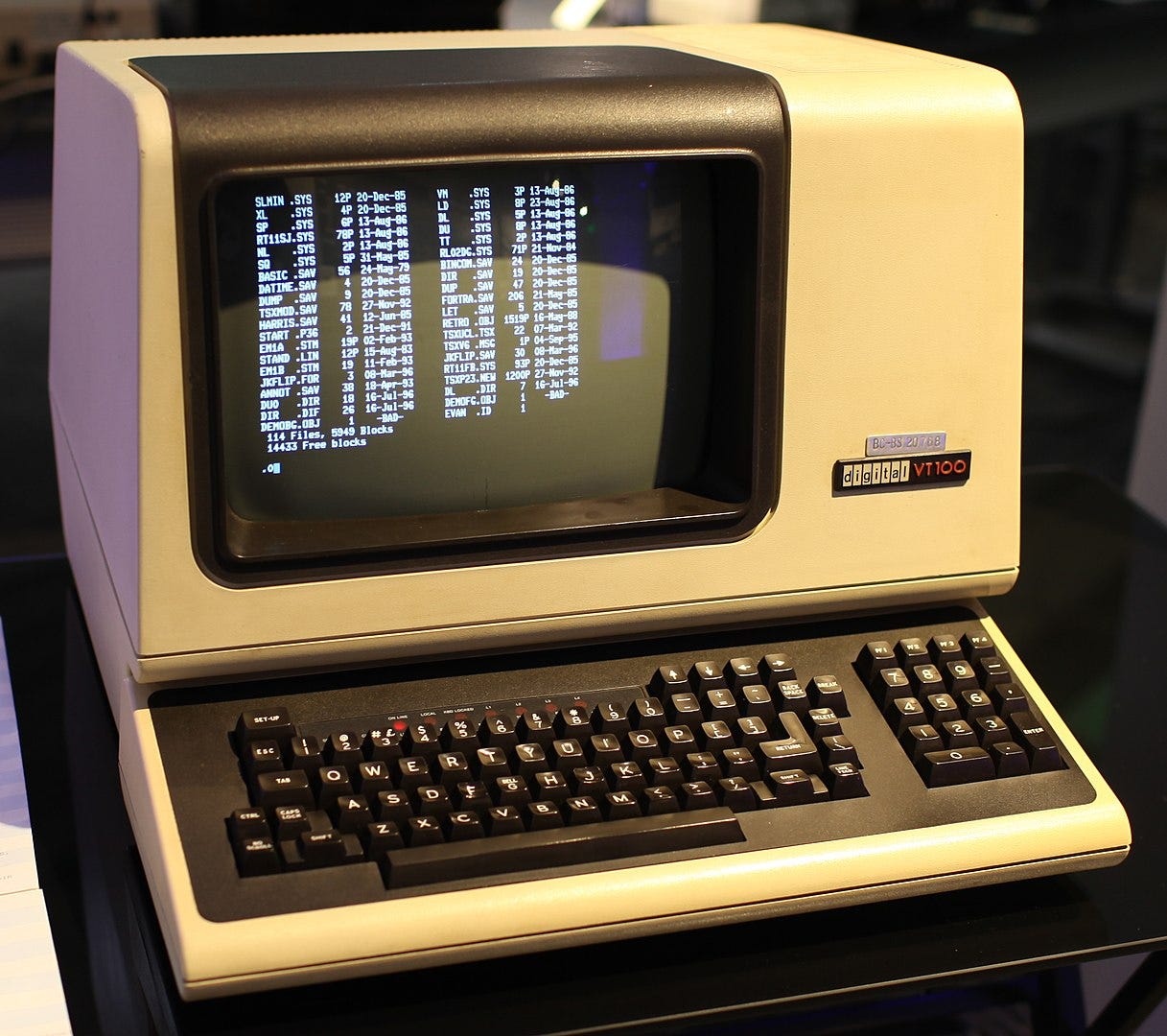
In 1991, Python 0.9.0 was released publicly.
It already included:
- Classes
- Exception handling
- Functions
- Core data types
Example Code (Early Python Style)
# Simple loop example (Python 1.x style)

for i in range(5):
    print i
Even in its early days, Python focused on readability.
2. Python 1.0 – Official Public Launch (1994)
Python 1.0 introduced functional programming features like:
- lambda
- map()
- filter()
- reduce()
Example:
numbers = [1, 2, 3, 4, 5]
squared = list(map(lambda x: x**2, numbers))
print(squared)
This flexibility made Python attractive to developers.
3. Python 2.0 – Major Expansion (2000)
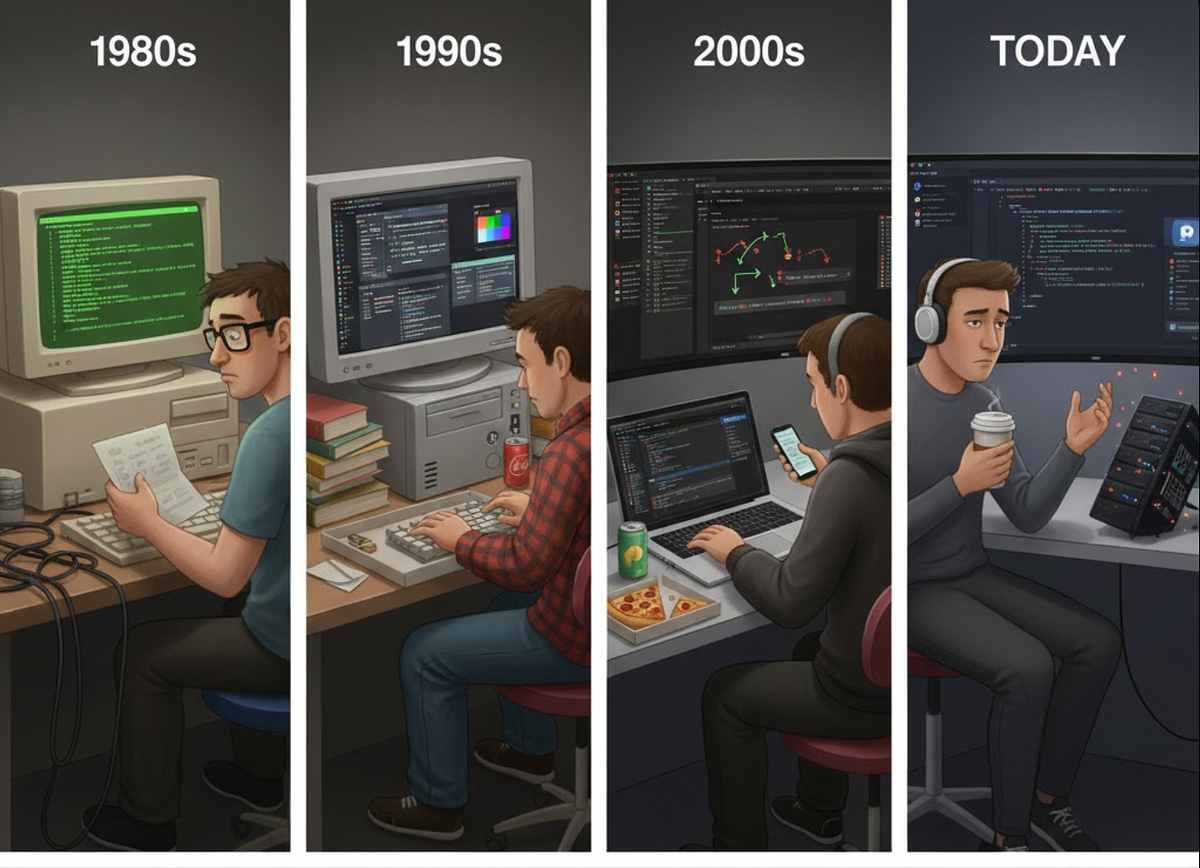
Released in 2000, Python 2.0 added:
- List comprehensions
- Garbage collection
- Unicode support
Example of List Comprehension:
numbers = [1, 2, 3, 4, 5]
squares = [x**2 for x in numbers]
print(squares)
This feature simplified code dramatically.
4. Python 3.0 – A Revolutionary Change (2008)
Python 3.0 fixed long-standing issues and improved consistency.
Major change:
# Python 2
print "Hello World"

# Python 3
print("Hello World")
Although controversial at first, Python 3 modernized the language.
Today, Python 2 is officially deprecated.
The Python 2 vs Python 3 Transition: A Defining Era

One of the most critical turning points in the History of Python was the transition from Python 2 to Python 3.
Python 3 introduced major improvements:
- True Unicode support
- Improved division behavior
- Better exception handling
- Enhanced standard library consistency
Division Example:
Python 2 behavior:
print 5 / 2 # Output: 2
Python 3 behavior:
print(5 / 2) # Output: 2.5
This small change eliminated hidden bugs in numeric calculations.
Although migration was slow, Python 3 ultimately unified the ecosystem. Official support for Python 2 ended in January 2020.
That marked the beginning of Python’s modern dominance.
5. Rise of Web Frameworks (2005–2015)
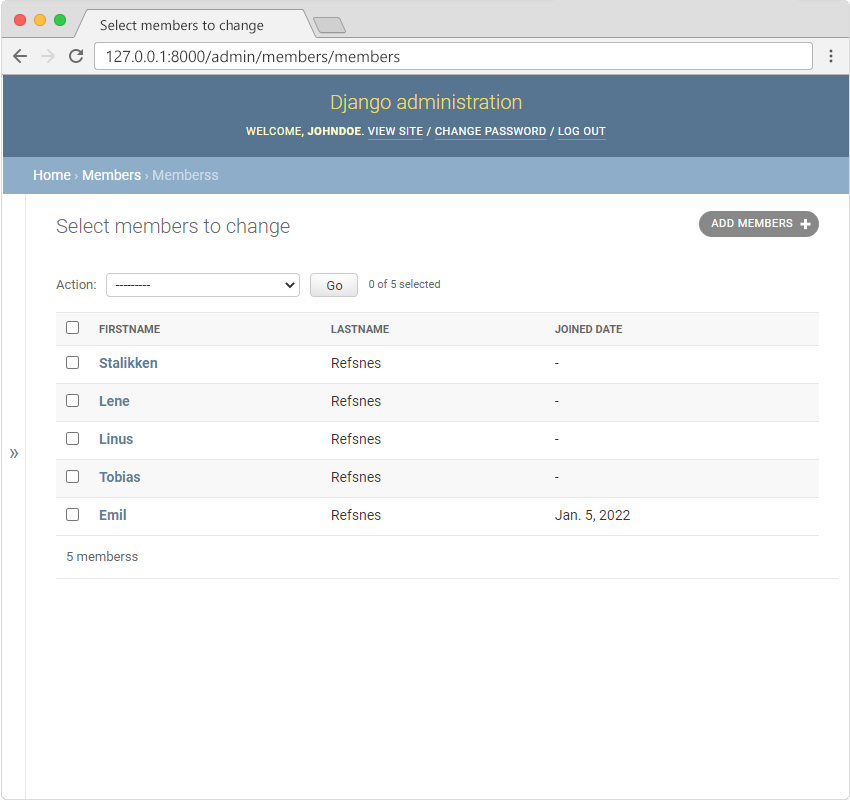
The History of Python accelerated with web frameworks like:
- Django
- Flask
Example Flask app:
from flask import Flask
app = Flask(__name__)

@app.route("/")
def home():
    return "Hello, World!"

if __name__ == "__main__":
    app.run()
Python became a dominant web backend language.
6. Python and Data Science Explosion (2010s)
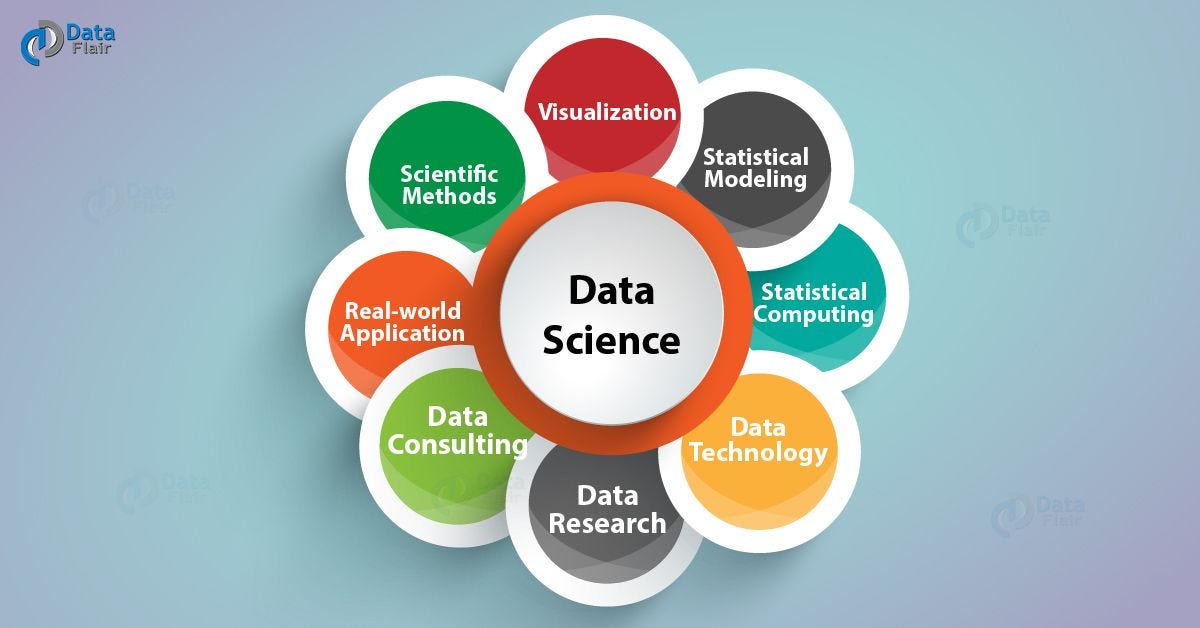
Libraries that changed everything:
- NumPy
- Pandas
- Matplotlib
Example:
import pandas as pd

data = {"Name": ["Alice", "Bob"], "Age": [25, 30]}
df = pd.DataFrame(data)

print(df)
Python became the #1 language for data science.
Scientific Computing: The Engine Behind Innovation
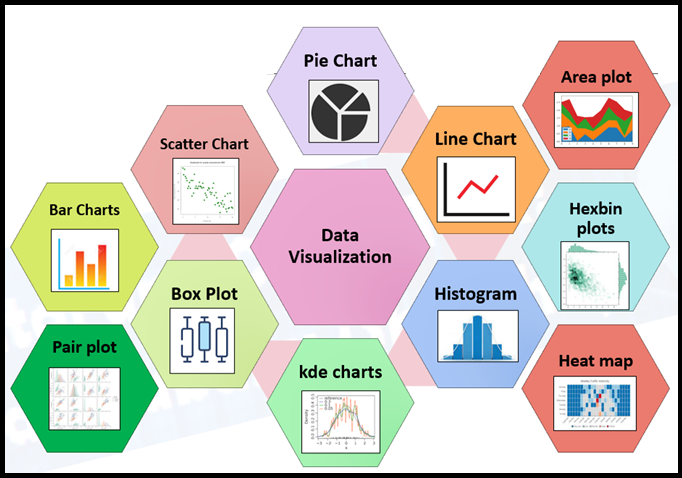
Beyond data science, Python became essential in:
- Physics simulations
- Bioinformatics
- Financial modeling
- Climate research
- Engineering computation
Example: Numerical Simulation
import numpy as np

# Create array
data = np.array([10, 20, 30, 40])

# Calculate mean
mean_value = np.mean(data)

print("Mean:", mean_value)
Scientific communities embraced Python because:
- It integrates with C and C++
- It allows rapid prototyping
- It reduces development time
Python became a bridge between academic research and production systems.f
7. Artificial Intelligence Revolution
AI libraries include:
- TensorFlow
- PyTorch
Simple ML example:
from sklearn.linear_model import LinearRegression
import numpy as np

X = np.array([[1], [2], [3]])
y = np.array([2, 4, 6])

model = LinearRegression()
model.fit(X, y)

print(model.predict([[4]]))
Python became the backbone of AI research.
Deep Learning and Neural Networks in Python
The History of Python reached a new milestone with deep learning.
Frameworks like TensorFlow and PyTorch allowed developers to build neural networks easily.
Example: Simple Neural Network (Conceptual)
import torch
import torch.nn as nn

model = nn.Sequential(
    nn.Linear(1, 10),
    nn.ReLU(),
    nn.Linear(10, 1)
)

print(model)
Python’s readable syntax made AI accessible to millions of developers worldwide.
This democratization of AI is one of Python’s greatest contributions to technology.
8. Python in Automation & DevOps
Python simplified automation.
Example script:
import os

files = os.listdir(".")
for file in files:
    print(file)
DevOps engineers widely adopted Python for scripting and cloud automation.
Python in Cybersecurity and Ethical Hacking
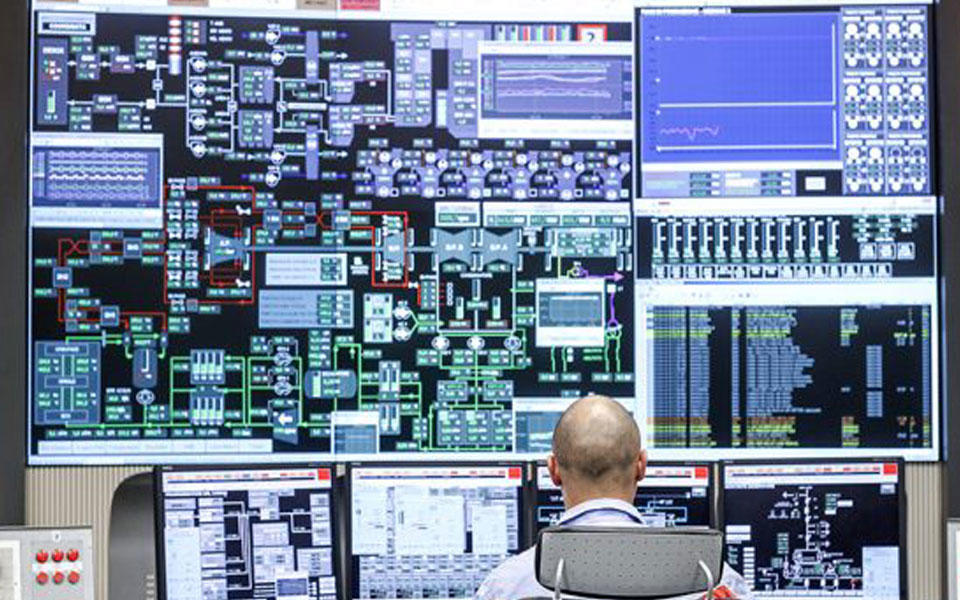
Another important milestone in the History of Python is its adoption in cybersecurity.
Security professionals use Python for:
- Network scanning
- Automation scripts
- Vulnerability detection
- Penetration testing
Example: Basic Socket Scanner
import socket

target = "example.com"
port = 80

sock = socket.socket(socket.AF_INET, socket.SOCK_STREAM)
result = sock.connect_ex((target, port))

if result == 0:
    print("Port is open")
else:
    print("Port is closed")

sock.close()
Python’s simplicity makes security scripting efficient and flexible.
9. Python’s Community Growth
The Python community exploded with:
- PyCon conferences
- Open-source contributions
- Global adoption
Python’s open-source nature strengthened its evolution.
Official site: https://www.python.org/
10. Python Today (2020s and Beyond)
Python now dominates in:
- AI
- FinTech
- Cybersecurity
- Automation
- Education
Major companies using Python:
- Netflix
- Spotify
Python continues to evolve with new performance improvements.
Comparison Table: Python Then vs Now
| Era | Major Use | Key Strength |
|---|---|---|
| 1990s | Academic scripting | Simplicity |
| 2000s | Web development | Flexibility |
| 2010s | Data science | Powerful libraries |
| 2020s | AI & automation | Scalability |
Enterprise Adoption: Python in Major Companies

Python is used by some of the largest tech companies in the world:
- Netflix
- Spotify
- Dropbox
Why enterprises choose Python:
- Rapid development cycles
- Strong community support
- Rich ecosystem of libraries
- Easy integration with other systems
Example: API Request Script
import requests

response = requests.get("https://api.github.com")
print(response.status_code)
Python excels in building scalable backend systems.
Why the History of Python Matters
Understanding the History of Python helps developers:
- Appreciate its design philosophy
- Write cleaner code
- Understand backward compatibility
- Leverage its ecosystem better
Python’s philosophy:
“Readability counts.”
FAQs About the History of Python
1. Who created Python?
Guido van Rossum in 1989.
2. Why is Python called Python?
It was inspired by Monty Python comedy.
3. When was Python 3 released?
4. Why was Python 2 discontinued?
It lacked modern features and long-term support.
5. Why is Python popular in AI?
Because of strong ML libraries and readability.
6. Is Python good for beginners?
Yes. Its simple syntax makes it ideal for learning.
The Future of Python: Performance and Innovation
Python continues to evolve.
Recent improvements include:
- Performance optimizations in Python 3.11+
- Faster execution speeds
- Better memory management
- Improved error messages
Example: Structural Pattern Matching (Python 3.10+)
def http_status(status):
    match status:
        case 200:
            return "OK"
        case 404:
            return "Not Found"
        case _:
            return "Unknown"
This modern feature simplifies complex conditional logic.
The History of Python shows one consistent pattern:
Python adapts.
And as long as it continues evolving, it will remain central to programming innovation.
Conclusion
The History of Python is a story of innovation, simplicity, and community power. From a small research project to the backbone of AI and web development, Python has reshaped modern programming.
Its clean syntax, powerful libraries, and active community ensure that Python will remain a dominant force for years to come.
Understanding its history gives developers deeper insight into why it works so well — and why it continues to grow.