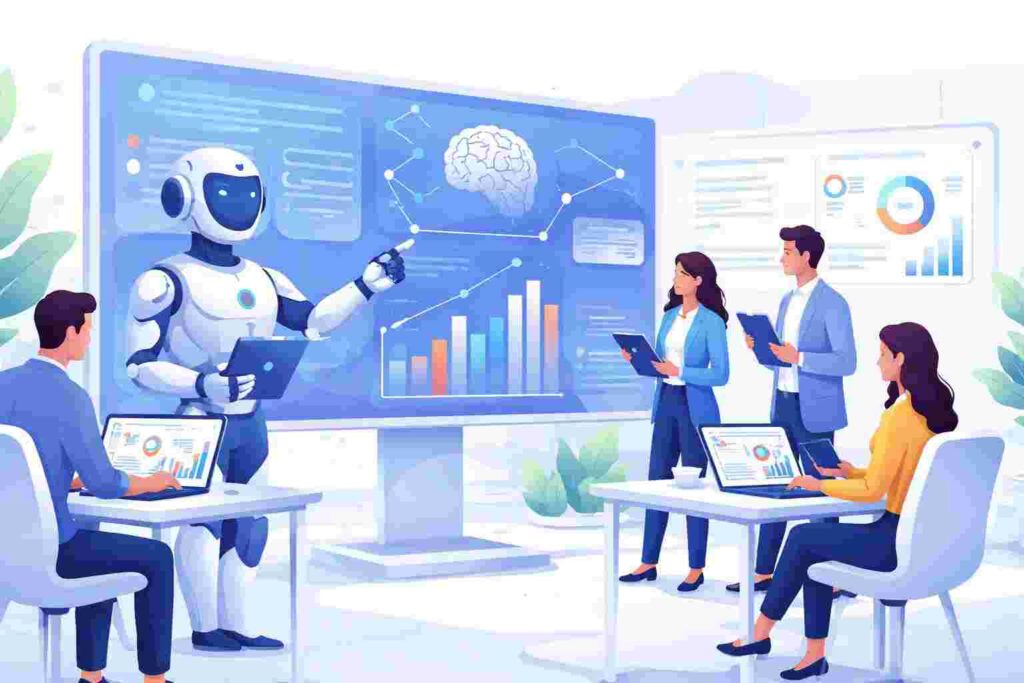
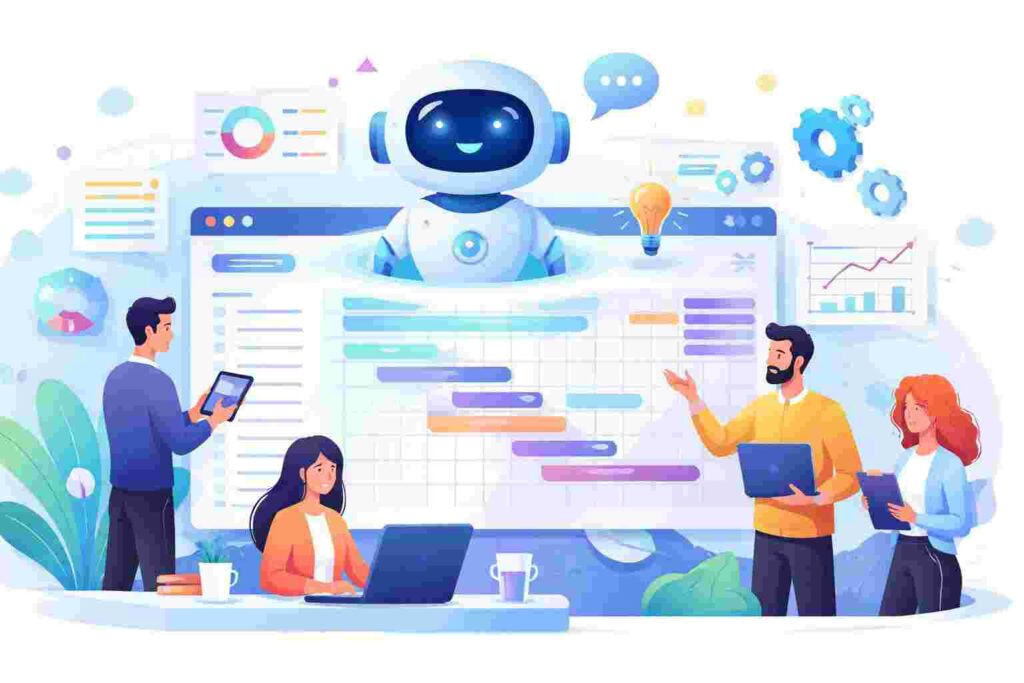
As organizations strive to enhance efficiency and effectiveness, the need for advanced technology in project management has never been more critical. The emergence of the AI Project Manager Agent represents a revolutionary step forward in how projects are managed across various industries. By automating processes, providing actionable insights, and facilitating seamless communication, AI Project Manager Agents are transforming traditional project management paradigms.
Understanding AI Project Management
In order to grasp the potential of AI Project Managers, it’s important to first understand the foundational concepts that define AI project management. This section will delve into essential definitions and core components that constitute this innovative field.
Definition of AI Project Management
AI project management refers to the integration of artificial intelligence technologies within project management practices to optimize and streamline project execution. This entails using advanced algorithms and machine learning to analyze vast amounts of project data, helping organizations make informed decisions, predict outcomes, and enhance performance.
Components of an AI Project Manager
- Data Analysis: The capability to process and analyze large datasets for insights.
- Automation Tools: Features that automate mundane tasks such as scheduling, reminders, and reporting.
- Communication Interfaces: AI-driven chatbots and messaging systems that facilitate team collaboration.
- Decision Support Systems: Tools that provide insights to support strategic decisions.
Key Features of AI in Project Management
- Predictive Analytics: Leveraging past project data to forecast future outcomes.
- Task Automation: Streamlining repetitive tasks to improve efficiency.
- Resource Management: Optimal allocation of resources based on project needs.
- Real-time Reporting: Providing up-to-date insights on project progress and milestones.
Technical Mechanisms Behind AI Project Managers
Understanding how AI Project Managers work requires an insight into the technical mechanisms that empower them. This section explores the crucial technologies that form the backbone of these intelligent systems.
Machine Learning Algorithms
Machine learning is a subset of AI that focuses on the development of algorithms that can learn from and make predictions based on data. In project management, these algorithms analyze historical data to make informed recommendations, recognize patterns, and adapt to new information.
Natural Language Processing in Project Management
Natural Language Processing (NLP) enables AI Project Managers to comprehend and manipulate human language. This technology is pivotal for interpreting project requirements, generating reports, and facilitating communication among team members through chat interfaces.
Integration with Project Management Software
AI Project Managers seamlessly integrate with existing project management tools such as Microsoft Project, Asana, or Trello. This integration allows for enhanced functionalities, enabling teams to leverage AI insights directly within their preferred platforms.
Impact of AI Project Managers on Businesses
The integration of AI Project Managers profoundly influences various industries, rewriting the rules of project execution. This section analyzes the tangible effects that AI technologies have on business operations.
AI in IT Project Management
In IT, AI Project Managers facilitate faster software development cycles through predictive analytics and automated testing. As a result, businesses can achieve high-quality deliverables while meeting tight deadlines.
AI for Construction Projects
Construction projects benefit from AI by utilizing image recognition and predictive modeling to improve site safety and optimize resource allocation. For instance, AI can identify potential hazards before they occur, significantly enhancing worker safety.
Impact on Healthcare Project Management
In healthcare, AI assists in managing projects related to patient care initiatives, funding applications, and regulatory compliance. By improving communication among stakeholders and streamlining administrative processes, AI fosters enhanced patient outcomes.
Strategic Advantages of Using AI in Project Management
Implementing AI Project Managers offers various strategic advantages that go beyond mere automation. This section highlights the fundamental benefits that organizations can reap from their adoption.
Cost Reduction and Efficiency
- Reduction in labor costs through automation of repetitive tasks.
- Minimized project delays by predicting and identifying risks early.
- Greater resource utilization efficiency leading to cost savings.
- Streamlined process management that reduces overhead.
Enhanced Decision Making
- Data-driven insights allow for objective decision-making.
- AI facilitates scenario analysis to evaluate potential outcomes.
- Provides actionable reports and dashboards for leadership.
- Encourages collaboration among teams through shared insights.
Improved Time Management
- Automated scheduling ensures optimal resource allocation.
- Real-time tracking of project milestones aids in timely adjustments.
- Streamlined communication minimizes delays in information flow.
- Enhanced forecasting allows for better time estimation on tasks.
Limitations and Risks of AI Project Managers
While the advantages of AI Project Managers are evident, there are also significant limitations and risks that organizations must consider. This section provides a balanced view of potential challenges.
Data Privacy Concerns
AI Project Managers often aggregate and analyze sensitive data, leading to potential privacy issues. Organizations must ensure compliance with data protection regulations to avoid costly breaches.
Dependence on Technology
As reliance on AI grows, organizations may face challenges if technological failures occur. It’s essential to have backup systems in place and to avoid over-reliance on automated decisions.
Resistance from Project Teams
Implementing AI often meets resistance from staff who may be apprehensive about job security or changes to workflows. Organizations must invest in change management strategies, ensuring teams understand the value of AI integration.
Comparative Analysis of AI Project Management Tools
This section will provide a detailed comparison of various AI project management tools available in the market, helping businesses make informed decisions.
Features Comparison Table
| Tool Name | Key Features | Pricing | User Ratings |
|---|---|---|---|
| Tool A | Predictive Analytics, Automation | $30/month | 4.5/5 |
| Tool B | Resource Management, NLP | $45/month | 4.7/5 |
| Tool C | Customizable Dashboards, Reporting | $50/month | 4.6/5 |
| Tool D | Team Collaboration, Automation | $25/month | 4.3/5 |
Cost Analysis of Leading Tools
Organizations should compare the costs of various tools against the features provided. Analyzing total cost of ownership including subscription fees, training, and implementation time helps in evaluating ROI.
User Experience and Feedback
Surveying existing users about their experiences can provide insights into the strengths and weaknesses of a tool. Positive feedback regarding usability can significantly influence a purchasing decision.
Statistics and Market Trends in AI Project Management
The move towards AI Project Management is reflected in various statistics and market trends. In this section, we’ll explore key numerical insights that signify the growth and maturation of this field.
Growth Rates of AI in Project Management
The global AI project management market has recorded a growth rate of more than 24% annually, indicating a significant trend towards automation and intelligent project handling. This growth showcases the increasing reliance on AI to drive project success.
Budget Allocations in Industries
Recent surveys show that organizations are allocating more than 30% of their project management budgets to AI technologies. This marks a shift in prioritizing AI tools as essential investments for future operation improvements.
Project Success Rates with AI Technology
Research indicates that projects utilizing AI technologies see a success rate improvement of up to 25% compared to those that do not integrate such systems. This statistic highlights the effectiveness of AI in enhancing project outcomes.
Real-World Case Studies on AI Project Management Implementation
Examining real-world examples provides valuable insights into the practical applications and benefits of AI Project Managers. In this section, we will highlight three distinct case studies demonstrating successful implementations.
Case Study 1: IT Firm Transformation
Before implementing AI Project Management tools, the IT firm faced project overruns averaging 30%. Post-implementation, the firm observed a remarkable reduction in project delays and resource overruns by 40% and increased delivery speed by 35%.
Case Study 2: Construction Project Overhaul
In this case, a construction firm struggled with project safety incidents. After utilizing AI for predictive modeling and risk assessments, safety incidents dropped by 50%, significantly improving both compliance and workforce morale.
Case Study 3: Healthcare Efficiency Improvement
A healthcare provider faced challenges in managing patient outreach projects. By incorporating AI solutions, they achieved a 30% quicker response time to patient inquiries and improved project completion rates by 20%, enhancing overall efficiency.
Future Outlook on AI Project Management
With rapid advancements in technology, it is essential to contemplate the future possibilities in AI project management. This section will consider emerging trends and potential technological evolutions that lie ahead.
Emerging Technologies to Watch
- Blockchain Integration: Enhancing transparency and security in project transactions.
- Enhanced AI Capabilities: More sophisticated algorithms enabling improved predictions.
- Remote Collaboration Tools: Supporting distributed teams with AI-enhanced communication tools.
- IOT Integration: Utilizing connected devices to gather real-time project data.
The Role of AI in Remote Teams
As remote work becomes more prevalent, AI can play a crucial role in maintaining effective communication, task tracking, and overall project management across dispersed teams. Tools designed for remote collaboration can leverage AI to facilitate better engagement and productivity.
Predictions for AI Project Management in the Next Decade
Experts predict that by 2030, over 70% of project management tasks will become automated, leading to a paradigm shift in how project managers operate. The focus will likely shift towards strategic decision-making rather than administrative tasks, significantly altering career paths in project management.
Frequently Asked Questions about AI Project Managers
In this section, we address common inquiries related to AI Project Managers, providing clarity on this innovative technology.
What is an AI Project Manager?
An AI Project Manager is an automated system that utilizes artificial intelligence technologies to assist in various aspects of project management. This includes planning, executing, monitoring, and delivering project objectives, all of which can be optimized through machine learning and data analysis.
How does AI improve project management?
AI enhances project management by providing predictive insights, automating mundane tasks, facilitating communication among team members, and enabling data-driven decision-making processes. This results in improved efficiency, reduced costs, and higher success rates for projects.
What industries benefit from AI in project management?
Industries such as IT, construction, healthcare, and marketing have seen significant benefits from integrating AI into their project management practices. These sectors leverage AI technologies to overcome specific challenges and optimize project performance.
Are there any costs associated with AI project managers?
Yes, organizations must consider various costs associated with implementing AI project managers. These include subscription fees for AI tools, costs for training staff, and potential changes to existing workflows. Careful budgeting and analysis can optimize these investments.
What skills do project managers need in an AI-driven landscape?
In an AI-driven environment, project managers should possess skills in data analysis, software understanding, and change management. They must also enhance their soft skills to effectively lead teams in adaptation to new technologies.
How will AI change the role of human project managers?
As AI takes over routine tasks, human project managers will transition towards strategic roles, focusing on leadership, stakeholder engagement, and driving innovation. The human elements of creativity, negotiation, and relationship-building will become more vital, reshaping the project management landscape.
Conclusion: Embracing AI for Future Project Management
In conclusion, the emergence of AI Project Managers represents a pivotal advancement in project management. Understanding the complex nature of AI technologies, acknowledging both their benefits and limitations, and staying ahead of market trends is crucial for organizations seeking to improve project outcomes. The adoption of AI in project management not only drives efficiency but also prepares businesses for future challenges in an ever-evolving landscape.