In the rapidly evolving landscape of artificial intelligence, understanding the AutoGPT architecture is crucial. This technology represents a significant advancement in the capabilities of AI systems, particularly in its ability to autonomously generate and adapt text-based outputs without human intervention. In this article, we will delve deeply into the architecture of AutoGPT, exploring its foundational concepts, technical mechanisms, and the profound business implications it holds.
Foundational Concepts of AutoGPT
To appreciate the intricacies of AutoGPT’s architecture, we first need to establish a solid understanding of what it is and how it differentiates itself within the AI domain.
Definition of AutoGPT
AutoGPT can be described as an autonomous generative pre-trained transformer that enhances the traditional capabilities of AI by allowing it to operate with minimal human guidance. Its design helps to streamline the process of generating relevant outputs based on given prompts.
Core components of AutoGPT
- Transformers: The backbone of AutoGPT, enabling the processing of language through attention mechanisms.
- Self-supervised Learning: Leveraging large datasets to learn patterns without labeled data.
- Dynamic Adaptability: Ability to adjust responses based on user interactions and context.
- Multi-modal Capabilities: Processing inputs beyond text to include images and audio for a richer generative experience.
Comparison with traditional AI models
Unlike traditional AI models that often rely on predefined algorithms and extensive human input, AutoGPT showcases remarkable autonomy. Where conventional models need to be trained meticulously on specific tasks, AutoGPT is designed to understand and generate language-based outputs more fluidly, making it suitable for diverse applications.
Technical Mechanisms of AutoGPT
Having established the foundational aspects of AutoGPT, we can now explore the technical underpinnings that facilitate its functionality.
Architecture Overview
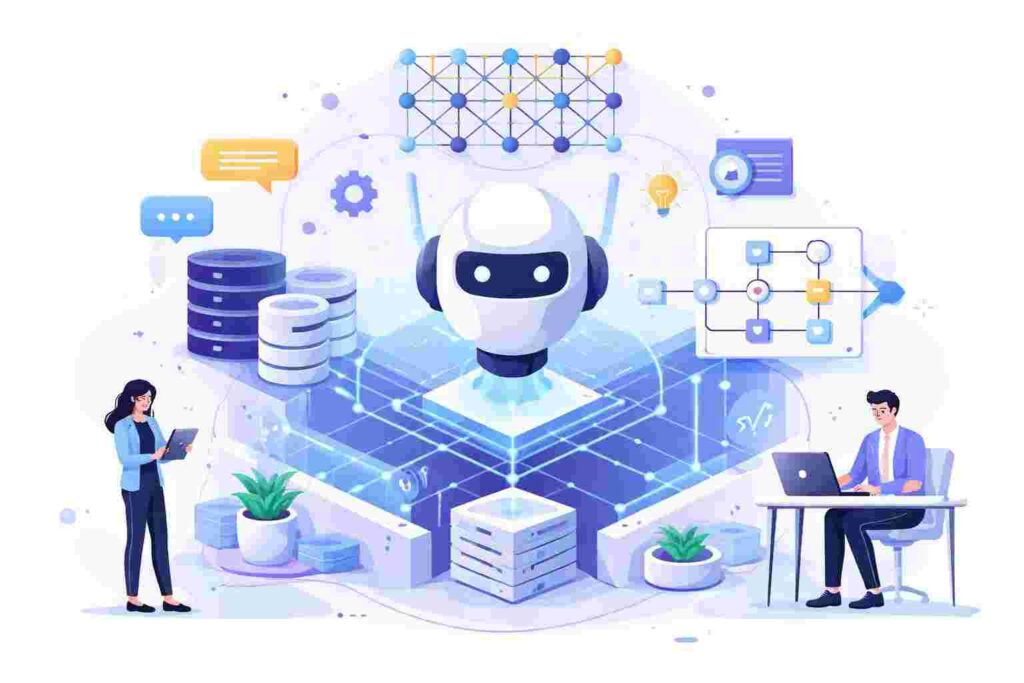
The architecture of AutoGPT primarily revolves around deep learning frameworks, employing a transformer model similar to its predecessors yet optimized for enhanced generative tasks. Its architecture allows for parallel processing, which drastically increases efficiency when handling large datasets.
Data flow in AutoGPT
Data flow is crucial to understanding how AutoGPT processes information. Initially, input data is tokenized and transformed into a format that the model can comprehend. Subsequently, during inference, the model generates predictions based on these tokens, iterating over multiple layers of neural networks to formulate coherent outputs.
Training processes and methods
- Unsupervised Learning: AutoGPT uses vast amounts of text from the internet to learn language patterns.
- Fine-Tuning: Adjusting the model on specific datasets to enhance performance for tailored tasks.
- Reinforcement Learning: Implementing feedback mechanisms to refine outputs continuously based on user interactions.
- Active Learning: Using a selective approach where the model identifies the most valuable data points for training.
Business Impact of AutoGPT
The implications of AutoGPT extend far beyond theoretical understanding; they resonate deeply within various industries. Its capabilities can enhance efficiency, customer engagement, and profitability.
AutoGPT in healthcare
In healthcare settings, AutoGPT can assist in generating patient summaries, medical documentation, and even personalized health insights based on patient data. This not only streamlines workflows but also reduces the administrative burden on healthcare professionals.
AutoGPT in finance
The finance industry can leverage AutoGPT for tasks such as generating comprehensive reports, analyzing market trends, and predicting investment risks. This technological edge provides firms with timely and accurate information crucial for decision-making.
AutoGPT in customer service
- 24/7 Support: AutoGPT enables automated customer interaction, responding to inquiries at any time.
- Personalization: Tailoring responses based on user historical data and preferences.
- Efficiency: Reducing wait times for customers, enhancing overall satisfaction.
- Feedback Loop: Learning from customer interactions to improve response quality.
Strategic Advantages of Implementing AutoGPT
Integrating AutoGPT into a business’s operational framework is not just an enhancement; it represents a strategic advantage, efficiently transforming traditional business processes.
Increased efficiency
By automating repetitive tasks and optimizing workflows, businesses can significantly enhance overall productivity. AutoGPT minimizes time spent on mundane activities, allowing teams to focus on more strategic initiatives.
Cost reduction
Implementing AutoGPT can lead to substantial cost savings through automation of customer interactions, marketing content generation, and data analysis. The operational cost benefits can materially impact the bottom line.
Scalability of solutions
- Flexibility: Easily adapts to peak demands without the need for extensive human resources.
- Multi-language Support: Allows businesses to penetrate international markets efficiently.
- Rapid Development: Facilitates quick deployment of new features and services.
- Integration: Seamlessly integrates with existing systems to enhance capabilities without overhauling current setups.
Limitations and Risk Considerations
No technology is without its risks. Understanding the limitations of AutoGPT is vital for responsible implementation.
Ethical implications
The autonomous nature of AutoGPT raises ethical questions, especially concerning misinformation and the potential for generating harmful content. Responsible usage policies must be established to mitigate these risks.
Data privacy concerns
As AutoGPT interacts with sensitive data, issues surrounding data privacy and compliance with regulations such as GDPR are paramount. Companies must implement strict data governance frameworks to protect user information.
Technical limitations
- Contextual Understanding: AutoGPT may struggle with nuanced queries lacking clear context.
- Dependence on Data Quality: The quality of outputs is contingent on the quality of training data.
- Understanding Abstractions: Often, AutoGPT may generate plausible-sounding content that lacks factual accuracy.
- Resource Intensive: Requires significant computational resources, which can be a barrier for smaller enterprises.
Comparison of AutoGPT with Other AI Solutions
To truly grasp the potential of AutoGPT, it’s essential to compare it with other leading AI technologies.
AutoGPT vs GPT-3
While both models share fundamental similarities, AutoGPT is specifically geared towards more autonomous interactions. It has improved mechanisms for context retention and user adaptability, supporting more dynamic user experiences.
AutoGPT vs ChatGPT
ChatGPT excels in conversational settings, primarily using pre-defined parameters for interactions. In contrast, AutoGPT’s strength lies in its ability to generate creative and contextually rich content autonomously, allowing it to handle more diverse scenarios.
| Feature | AutoGPT | GPT-3 | ChatGPT |
|---|---|---|---|
| Autonomy | High (can operate with minimal input) | Medium (requires user prompts) | Lower (based on conversation format) |
| Adaptability | Dynamic | Static | Moderate |
| Use Cases | Wide-ranging applications | Text generation | Conversational responses |
| Performance | High (context-aware) | Medium | High |
Statistics and Market Trends in AutoGPT Adoption
The rise of AutoGPT technology reflects broader trends within the AI landscape, showcasing significant investment and adoption rates across industries.
Market growth statistics
The global AI market was valued at $39.9 billion in 2019 and is projected to grow to $190.61 billion by 2025, representing a compound annual growth rate (CAGR) of 42.2% (source: Fortune Business Insights). The adoption of generative AI solutions, like AutoGPT, is a significant driver of this growth.
User adoption rates
As per a survey conducted by McKinsey in early 2022, 56% of organizations reported incorporating AI in at least one function, demonstrating a robust trend toward technologies like AutoGPT. This statistic underlines a general shift in how companies approach operational efficiency and service delivery.
Projected growth for the next 5 years
- AI Software Market: Expected to reach $126 billion by 2025.
- Generative AI: Anticipated market valuation of $30.7 billion by 2028.
- Consumer Engagement: Companies implementing generative AI are likely to increase customer engagement rates by up to 25%.
- Cost Savings: Potential for operational cost reductions of approximately 30% in industries utilizing AutoGPT.
Real-World Case Studies of AutoGPT Implementation
Examining case studies provides tangible examples of how AutoGPT is making a difference across industries.
Healthcare solution case study
A prominent healthcare institution implemented AutoGPT to automate patient documentation. Prior to adoption, clinical staff spent around 40% of their time on paperwork. Post-implementation, this was reduced to 15%, freeing up valuable time for patient care and boosting satisfaction ratings significantly.
Finance improvement example
A financial services firm utilized AutoGPT for generating regulatory compliance reports. Initially taking over 200 hours monthly, the use of AutoGPT streamlined the process to just 30 hours, bringing substantial time and cost savings, while also minimizing human error by over 50%.
Customer service transformation
- Initial Response Time: Average response time was 4 hours.
- Post-Implementation: Average response time dropped to 2 minutes.
- Satisfaction Ratings: Customer satisfaction increased from 75% to 92% within the first quarter.
- Operational Cost Savings: Reduced overhead costs by approximately 25%.
Future Outlook of AutoGPT Technology
The trajectory of AutoGPT serves as a promising sign for innovation in AI technology. There are several emerging trends that warrant attention as we move forward.
Emerging trends
- Greater Personalization: Future iterations of AutoGPT are likely to provide even more tailored experiences by comprehensively learning from user interactions.
- Hybrid Models: Expect to see confluences between AutoGPT and other AI paradigms, enhancing its functionality.
- Increased Ethical Governance: As technology develops, directives aimed at ensuring responsible AI usage are anticipated to advance concurrently.
- Integration with IoT: Increasing connectivity could lead to more seamless applications in smart systems.
Predictions for the next decade
In the next ten years, AutoGPT will likely transcend conventional generative capabilities. Businesses will harness AI not only for automation but also for strategic decision-making, drawing insights that could reshape industries.
Potential challenges ahead
Despite its promise, AutoGPT will face hurdles, particularly concerning data ethics, managing biases, and ensuring the accuracy of outputs. The necessity for comprehensive regulatory frameworks will become increasingly pertinent as the technology matures.
Frequently Asked Questions about AutoGPT
What is the primary function of AutoGPT?
AutoGPT primarily functions as an autonomous generative tool that interprets prompts to create human-like text responses. Unlike traditional programming models, this technology doesn’t rely heavily on predefined inputs, allowing for a more organic interaction experience. It generates text that is contextually relevant and responsive to user prompts, making it suitable for a wide range of applications, from content creation to customer service automation.
How secure is AutoGPT?
Security in AutoGPT revolves around data handling and compliance with regulations like GDPR. While the technology itself is designed to process and generate information, the applications and systems integrating AutoGPT must incorporate robust security protocols to protect sensitive user data. It is essential for organizations to prioritize creating safe user environments to ensure that data privacy concerns are adequately addressed.
Can AutoGPT replace human workers?
While AutoGPT can automate many tasks, it is not designed to replace human workers entirely. Instead, it aims to complement human efforts by taking on repetitive tasks and providing insights that assist professionals in making informed decisions. The balance lies in leveraging AI’s strengths to enhance human capabilities while retaining the indispensable nuances and emotional intelligence that human workers offer in interactions.
How does AutoGPT learn from user interactions?
AutoGPT utilizes a form of continuous learning where it adapts based on user feedback and interactions over time. This learning process involves analyzing patterns from past engagements to improve future responses. Such adaptive learning mechanisms enhance the relevance and accuracy of generated content, allowing AutoGPT to evolve and become more effective in meeting user needs.
What are the prerequisites for implementing AutoGPT?
Implementing AutoGPT effectively requires a suitable digital infrastructure, including data storage solutions and computational resources for processing large datasets. Additionally, organizations must establish a clear strategy for integration and develop protocols for monitoring the output quality. Training staff to utilize and interpret the outputs generated by AutoGPT is also crucial to ensure maximum benefits from the technology.
Which industries are currently utilizing AutoGPT?
Several industries have begun leveraging AutoGPT, with notable applications in healthcare, finance, marketing, and customer service. In healthcare, it streamlines documentation and patient interactions. Financial institutions utilize it for compliance reporting and analysis. Marketing departments employ AutoGPT for generating content and enhancing consumer engagement. The versatility of AutoGPT makes it applicable across various sectors, continually evolving with industry needs.
Conclusion: The Future of AutoGPT Architecture
In conclusion, understanding the AutoGPT architecture is essential not only for technology professionals but also for business leaders looking to leverage AI for competitive advantage. The insights shared in this article underscore the evolving nature of generative AI and its impact on diverse sectors. As organizations integrate AutoGPT into their frameworks, the potential for innovation and optimization is vast, making it a pivotal component of the future landscape in AI.
Grasping the core concepts surrounding AutoGPT, alongside its applications and implications, prepares businesses for the journey ahead—one where AI analytics, creativity, and human ingenuity converge.